
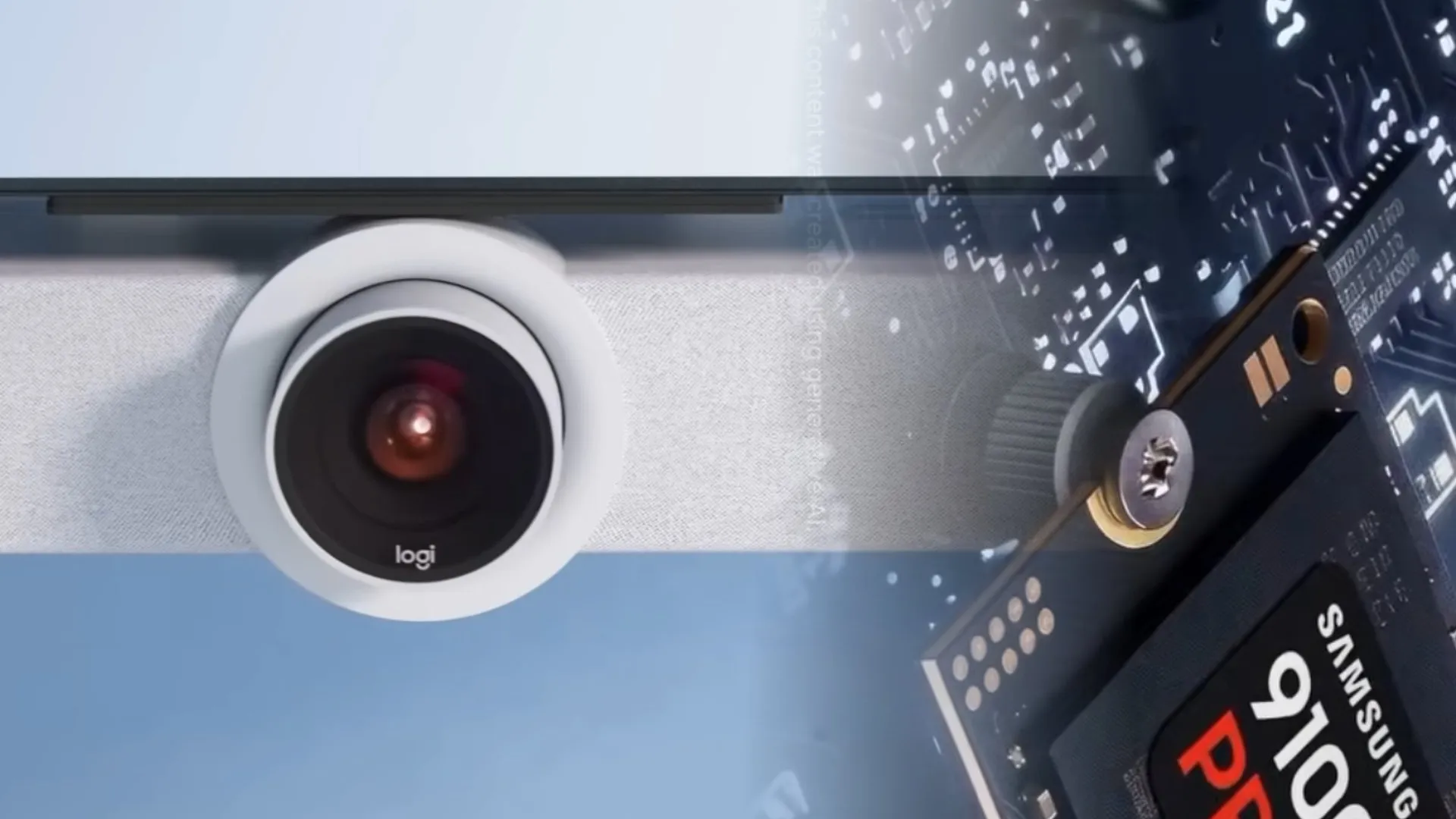
Logitech Rally Bar 3D Video vs. Samsung AI Slop: A Masterclass in 3D Product Animation
Why Logitech’s 3D Product Videos Still Outshine Today’s “AI Slop”
If you have tuned into any major tech hardware launch recently-such as Samsung’s latest AI-generated spatial signage or their Galaxy AI video billboards-you might have noticed a jarring shift. The industry is increasingly leaning on generative AI tools to quickly churn out product videos. But let’s be honest: a lot of it looks like “AI slop.” It lacks the granular control, deliberate texturing, and high-end polish that makes a physical product look truly premium.
Logitech Rally Bar – 3D Product Launch Video from 2021.
At Logitech, the visual philosophy has always been different. Even looking back five years ago to 2021, the full 3D product animation used for the Logitech Rally Bar holds up far better than the automated videos some competitors are rushing out today.
The Rally Bar: A Benchmark in 3D Polish
When the Rally Bar was introduced, the accompanying 3D animation wasn’t just a basic camera spin; it was a carefully crafted showcase of hardware engineering. The visuals perfectly demonstrated how Logitech raises the bar on the video conferencing industry with a next generation portfolio of appliance and PC-based solutions that work with today’s leading video conferencing services such as Microsoft Teams and Zoom.
Instead of relying on an algorithm’s best guess for lighting and materials, full 3D animation gave complete control over how the sleek, all-in-one design was presented. Here is what that amazingly nice, animated video highlighted:
- Tailored Solutions: The Logitech Rally Bar is purpose-built for mid-sized rooms.
- Compact Options: The Logitech Rally Bar Mini is specifically designed for small rooms.
- Premium Quality: Both devices transform meetings with cinema-quality video and crisp, clear audio in an all-in-one design.
- Streamlined Experience: You can dramatically simplify setup, management, and use of video conferencing equipment for radically better meetings in today’s hybrid and rapidly evolving work environments.
By utilizing dedicated 3D rendering, the launch video conveyed the physical quality of the products in a way that prompt-to-video AI simply cannot match.
What truly sets the Logitech Rally Bar animation apart from automated video generation is its deliberate and stylized environment design. Rather than floating in a generic, artificially blurred void, the devices are showcased in vibrant, meticulously crafted 3D spaces. The animation transitions smoothly between warm, inviting rooms with coral-peach accent walls and clean, modern spaces bathed in soft blues.
By placing the Rally Bar among modern Eames-style chairs, beautifully textured wooden tables, and realistic indoor plants, the 3D artists grounded the premium technology in a relatable, high-end lifestyle setting. This level of environmental lighting and spatial consistency creates a cohesive aesthetic that simply cannot be prompted into existence by today’s AI.
Furthermore, the animation uses brilliant 3D visual metaphors to explain the product’s features—something generative AI struggles to do with physical logic. For example, to emphasize that the audio “SOUNDS AWESOME,” the animation playfully depicts the solid wood of the conference table rippling outward like physical soundwaves. To demonstrate that the camera “LOOKS BRILLIANT,” a sleek magnifying glass effect sweeps across the screen, highlighting the incredibly crisp, photorealistic ribbed texture of a nearby plant pot. Alongside clean, bold typography seamlessly integrated directly into the 3D space (highlighting benefits like “STAYS FOCUSED” and “SIMPLE TO SET UP”), every single frame is a testament to human-driven art direction and precise rendering.
The Craft Continues: Signature Comfort Plus M850 L
You might think that by 2026, every brand would have abandoned traditional 3D rendering for cheaper, faster AI video generators. Fortunately, that isn’t the case.
Take a look at the newly released video for Logitech’s Signature Comfort Plus M850 L-their very first mouse featuring a built-in palm cushion. Rather than taking the easy way out with generative AI, the launch video still relies on stunning, full 3D product animation.
Now let’s get our hands dirty on Samsung latest trends!
Case Study: The Anatomy of “AI Slop” Mistakes in New Samsung Ads
Now that we have seen how Logitech does it, let’s talk about the Samsung product videos released over the past month.
First of all, let’s get one thing straight: we at Quince Creative are not against using artificial intelligence in video production. On the contrary, we believe AI is an incredibly useful tool that helps a lot with initial concepts, placeholder voiceovers, mockups, and preparing other supporting materials during pre-production. However, what we find truly bizarre is that a tech giant like Samsung is using pure AI generation for their main product launch videos-and these videos are full of AI-generated errors visible even to the average viewer.
Here are a few concrete examples of where AI fell short:
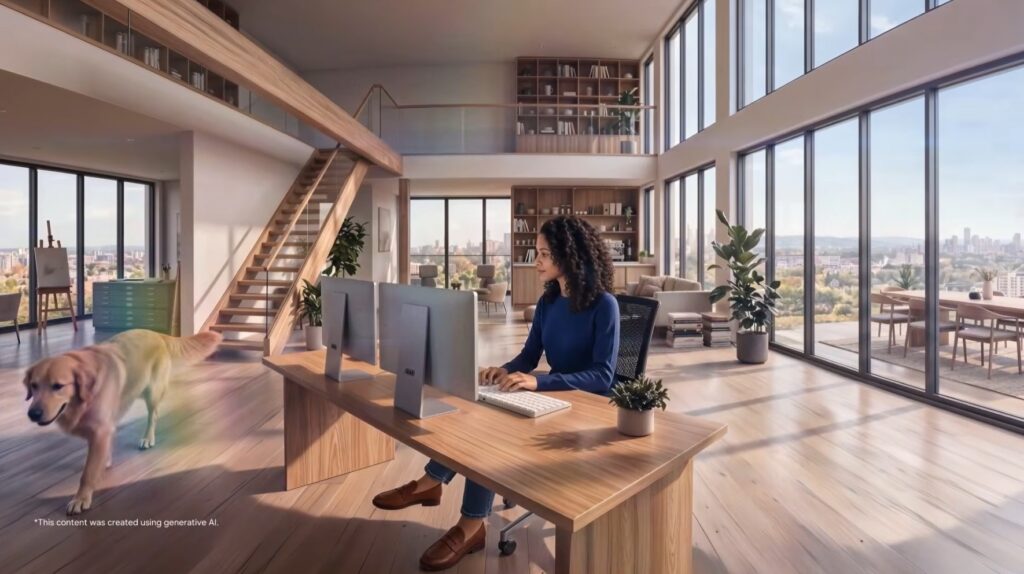
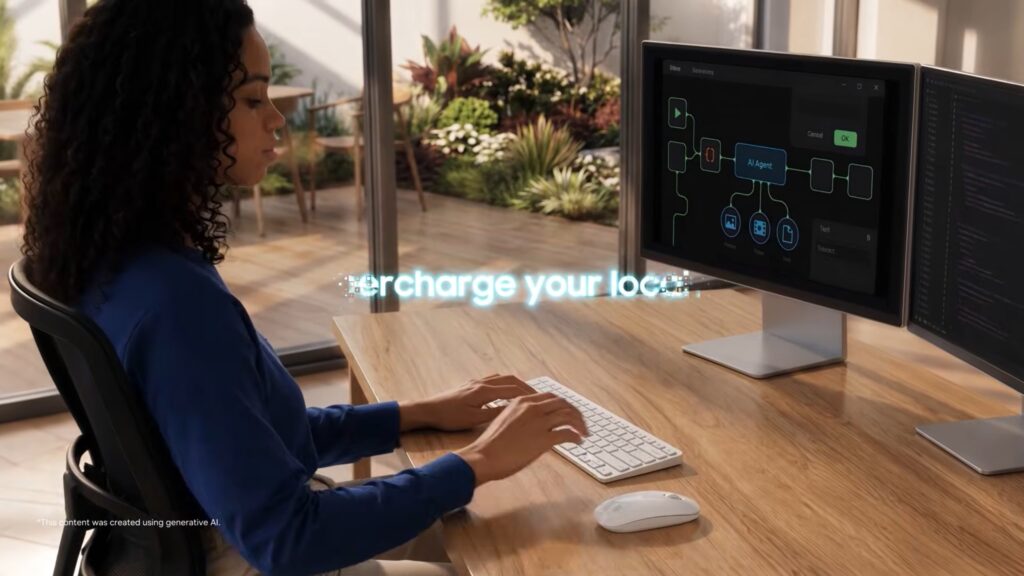
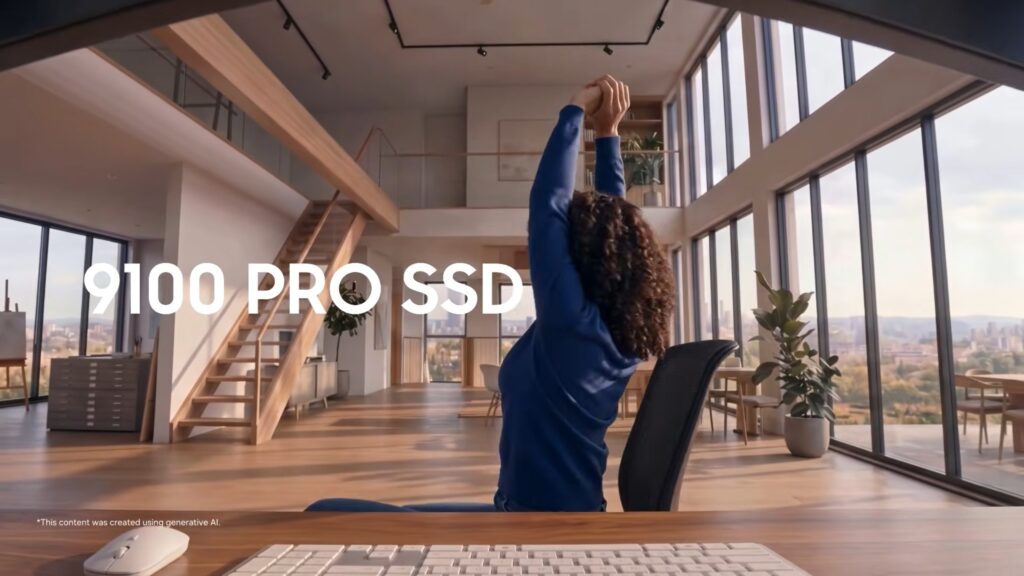
1. The 9100 PRO SSD Ad (Released Two Days Ago) This video is a perfect example of why AI still cannot replace the expert eye of a 3D artist. If you pay close attention, you will notice a series of logical flaws:
- Weird Perspective: The perspective of the desk relative to the room is weird and completely unnatural.
- Lack of Continuity: Even though the action follows the same space, the room looks entirely different from scene to scene.
- The Mystery Flowerpot: In a couple of the opening scenes, a flowerpot is clearly visible on the table, only to simply vanish in subsequent shots.
- Technical “Hallucinations”: The most obvious mistake is seen in the zoom-in scenes showing the details of the processor and chips. Instead of precise hardware, we see bent wires and deformed pins-something that would absolutely never happen in a traditional 3D render.
9100 PRO SSD AI Generated Product Launch Video
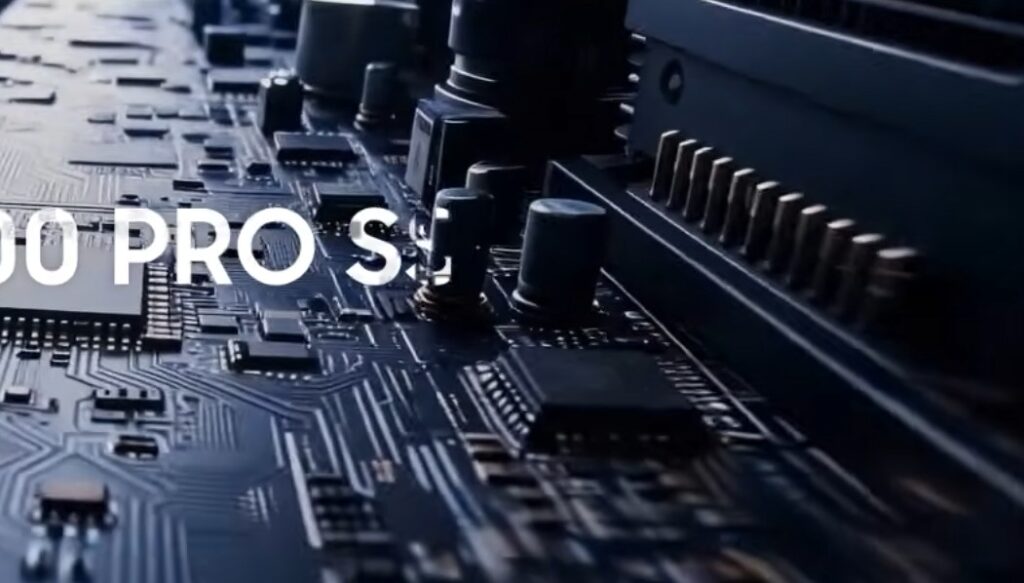
2. Samsung Hylex (New Cooling and Heating System) The second animation that catches the eye is the 3D product launch video for the Hylex climate devices. The ad focuses on cute shots of cats sleeping on the external AC unit, but AI generation took its toll here as well:
- Shifting Identities: In different shots, the cats look completely different visually, losing any character consistency.
- Fake Animation: The cats’ movements are not the result of real, fluid animation. Instead, you can clearly see that they are just cross-fades between static, AI-generated images.
- Low Image Quality: The entire video suffers from low-res image quality, which visually degrades the product’s value.
Hylex AI Generated Product Launch Video
3D Animation vs. AI Generation: A Quick Look
The studio-grade virtual lighting perfectly catches the soft, dual-foam material of the palm cushion and highlights the sculpted right-hand shape with its rubber side grips. The camera movements are deliberate, emphasizing the ergonomic curves and the SmartWheel precision. When you see the M850L in full 3D, you immediately understand the tactile, premium comfort it offers. An AI-generated video would likely gloss over the exact texture of the recycled plastics or hallucinate the subtle physical seams of the cushion.
To understand why traditional 3D continues to dominate the high-end space, here is a quick breakdown of how it compares to the current wave of AI videos:
| Feature | Full 3D Product Animation (Logitech) | Generative AI Video (Samsung / Competitors) |
| Material Accuracy | Perfect, physically accurate representation of plastics, foams, and metals. | Often hallucinates textures, blends materials, or blurs fine details. |
| Camera Control | 100% granular control over angles, tracking, and physics. | Highly unpredictable and prone to morphing or warping geometry. |
| Lighting | Studio-grade, physically accurate ray tracing. | Generalized, baked-in lighting that lacks realism and depth. |
| Brand Perception | Premium, polished, and meticulously crafted. | Fast and trendy, but frequently perceived as cheap or low-effort. |
Conclusion: When a giant like Samsung allows oversights like these, it only proves our initial point. AI is a powerful tool for brainstorming, but when it comes to the final, premium presentation of a product that costs hundreds or thousands of dollars, relying on “AI slop” results in a cheap look. True, manually crafted 3D product animation simply has no alternative when it comes to control, consistency, and a high-budget polish.
There are no shortcuts to a premium presentation. While AI is an incredible tool for many digital tasks, when it comes to showcasing the precise engineering of a physical product-whether it’s a cinema-quality video bar or an ergonomic mouse-nothing beats the polished, high-end look of true 3D animation.
Let’s make something amazing! Together!
Related Articles
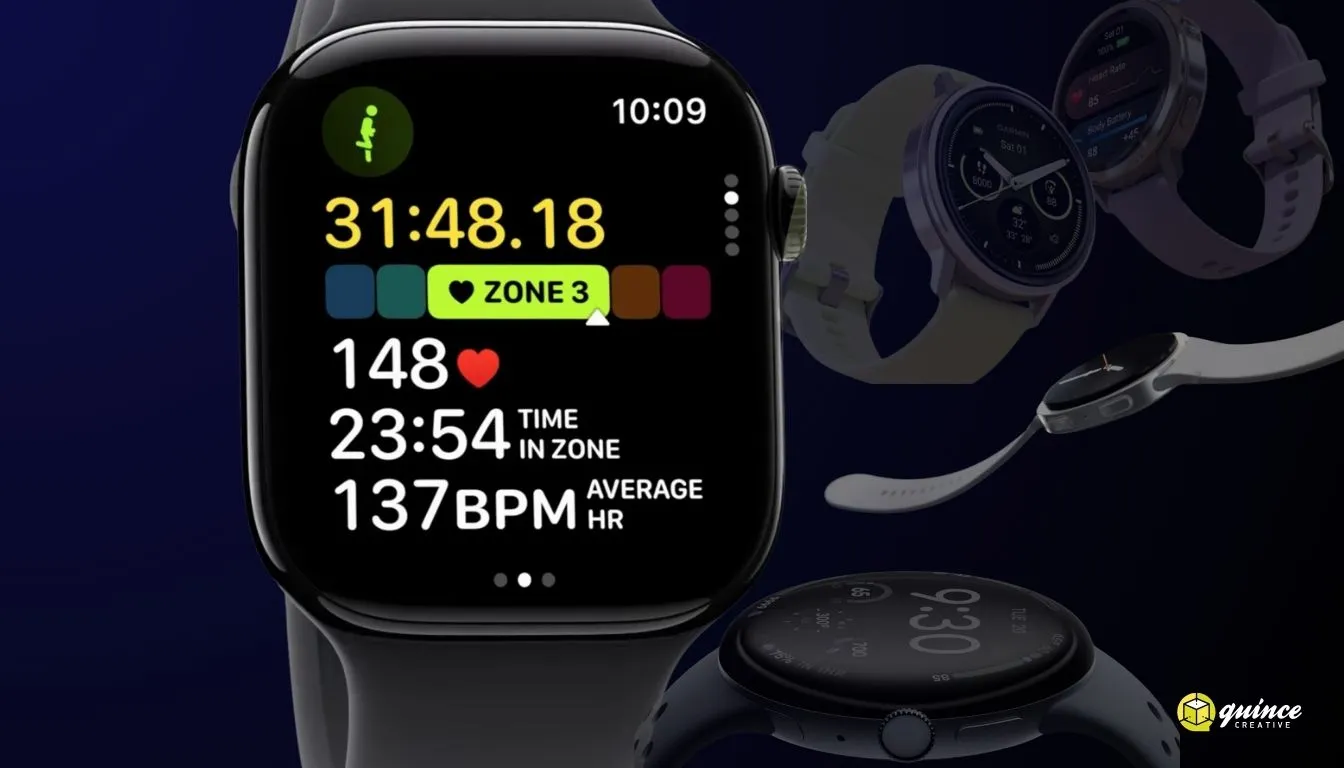
Smartwatch 3D Product Animation Ranking: Who Told The Best Visual Story?
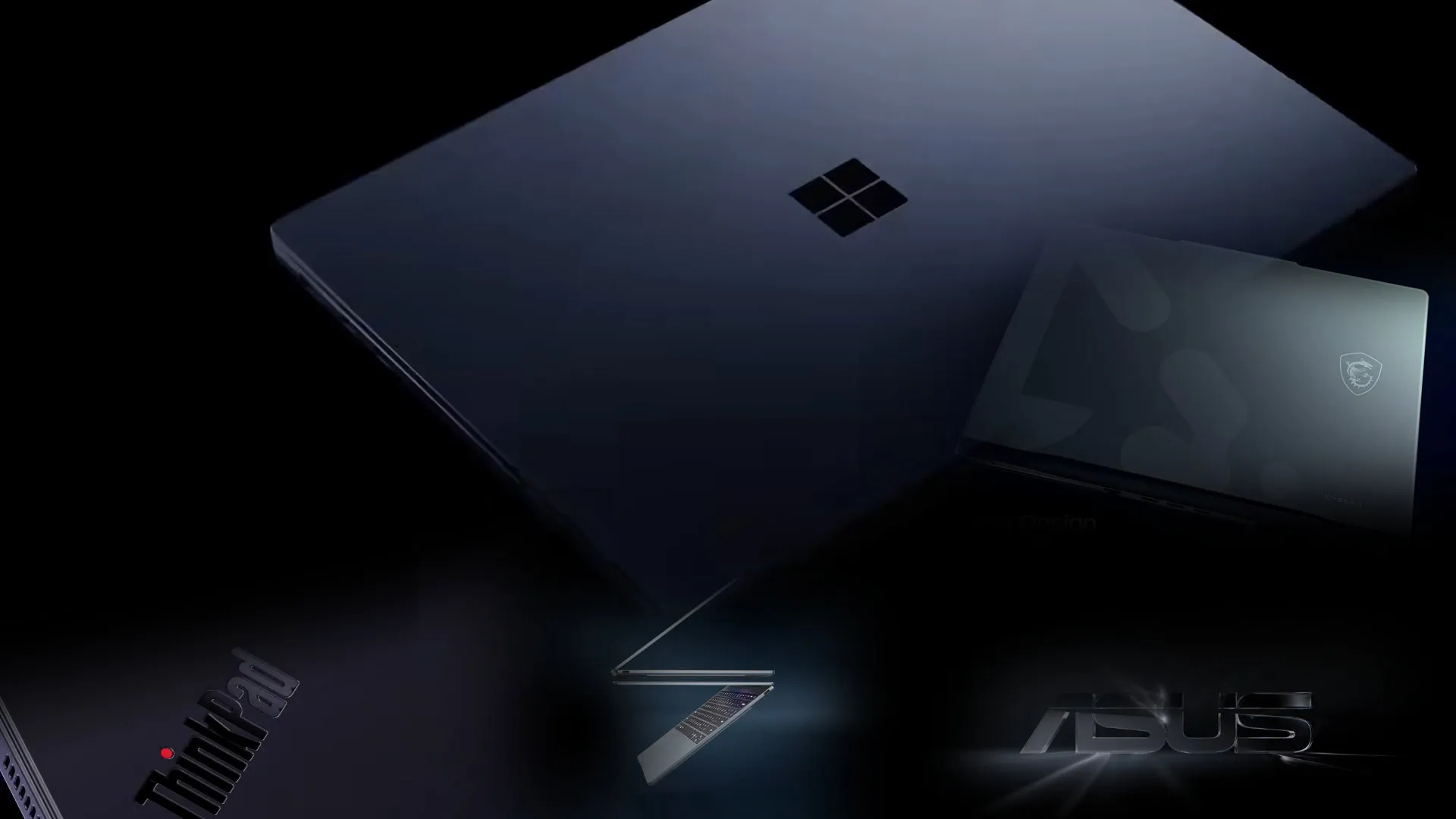
Tech Giants Head-to-Head: Laptop 3D Product Animation Showdown
3D Product Animation Trends in 2026: What Brands Are Doing Now
The Power of 3D Product Animation for Instructional Videos
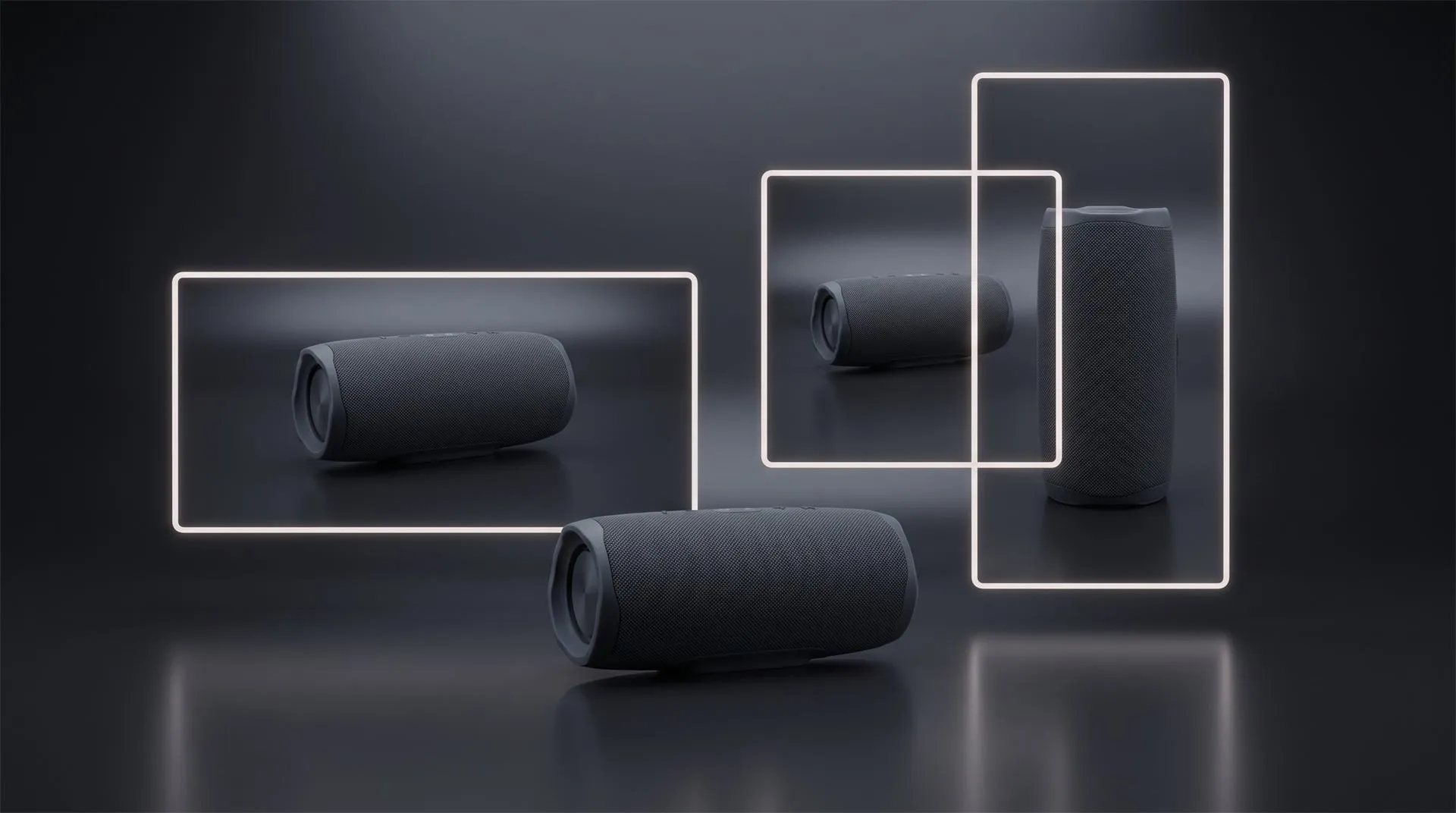
3D Product Animation for Audio Devices
It Is 2026, Apple Puts AI in Every Device, and It Still Launched Its New Hardware With 3D Animation
 Rachel A