1Animatic
A low-res 3D blueprint of the film. Timing, pacing and camera moves are locked here, before any heavy rendering.
2 rounds of revisionsLaunch films, technical explainers and product stills for hardware and consumer brands. Delivered in 20 business days, quoted in under 12 hours.


Every project starts from one accurate 3D model, built from your CAD or modeled from scratch. The same model powers your launch film, explainers, Amazon videos and stills, so every asset matches.
Turn a product reveal into an event.
Dramatic camera work, photoreal rendering, VFX and custom sound design that put a flagship product on screen like a film.
Complex engineering, made obvious.
Exploded views, X-ray passes and feature deep-dives from your exact CAD data. Built for B2B buyers, distributors and backers.
Stop the scroll in the first second.
Short loops with bold hooks for Instagram, TikTok and LinkedIn, plus Amazon product videos and 360° spins for your listings.
One shot, followed from first pass to final frame. You sign off each stage, with two full rounds of revisions, before we move on.
A low-res 3D blueprint of the film. Timing, pacing and camera moves are locked here, before any heavy rendering.
2 rounds of revisionsMaterials, textures and studio lighting go on. Style frames and preview clips that match the final look.
2 rounds of revisionsFull-res render, VFX, sound design and color grade, delivered in every format and aspect ratio you need.
2 rounds of final polishOMNI modular display case raised on Kickstarter
$459,147
We worked from Crate 3D's existing models and with their lead sculptor to build the animation and render suite behind the campaign. Prototype-stage products are where 3D does the most work.
Djordje is a phenomenal creative partner.
No prototype, no studio rental, no reshoots. Change the finish, the room or the light after the fact.
Launch before the first unit ships. Swap finishes and environments, or peel back the shell to show the tech inside.
Built from your engineering data, so every curve and component matches the real part.
Reflections and studio light tuned to the materials that make your product look premium.
Studio-lit renders from every angle, sized for Amazon and Shopify, from the same model as your film.
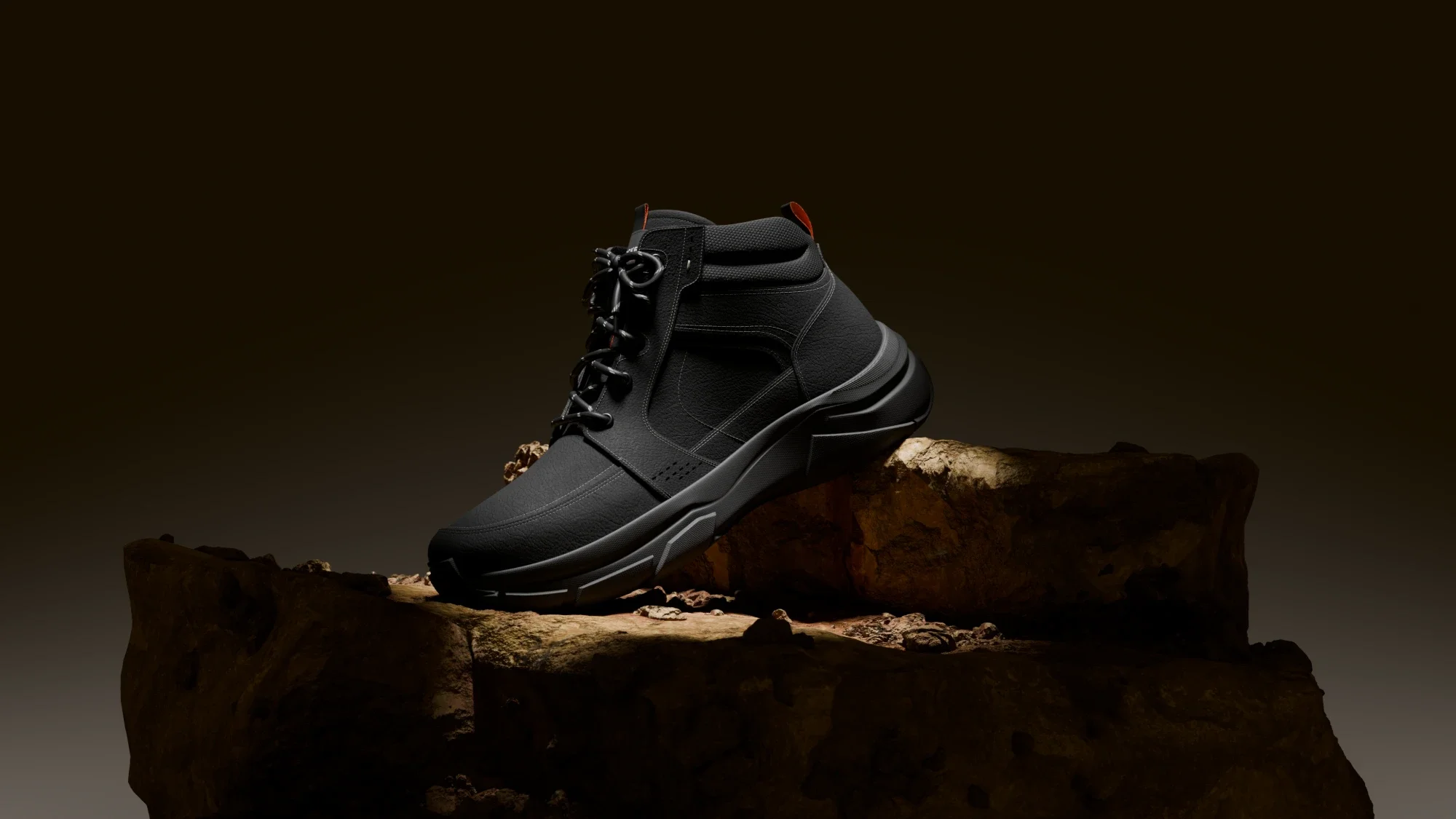
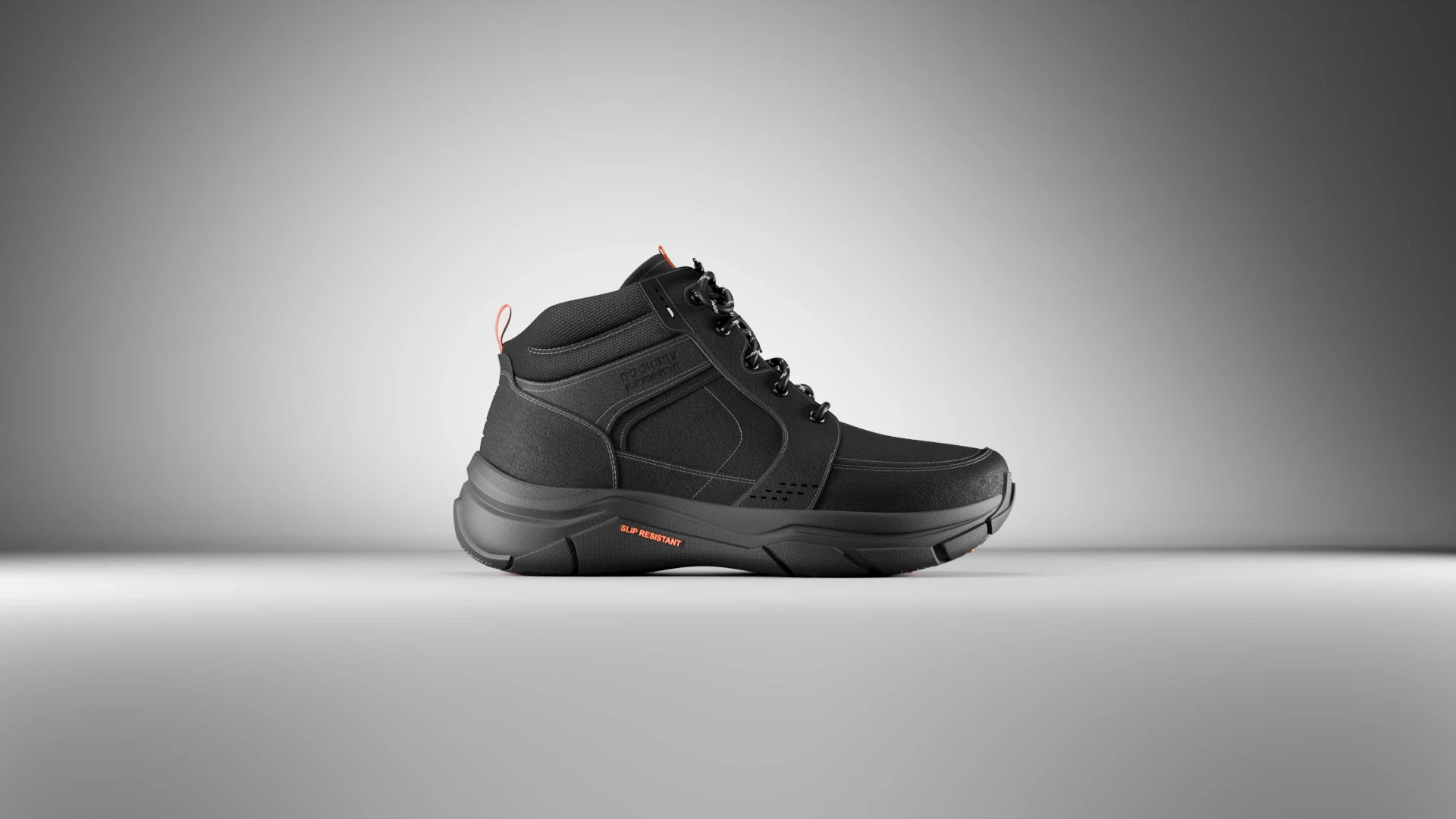 Studio renderStyled scene
Short answers to what product teams ask before their first project. Anything else, ask us directly.
3D product animation at Quince starts at $1,200 for a 10-30 second video built from your CAD files on a solid-color background. A typical 30-60 second launch video with a medium-complexity model and a stylized 3D environment is around $3,800. Detailed VFX environments, 4K, and extra aspect ratios are priced as add-ons - use our pricing calculator for an exact quote.
Our 3D animation services cover the full production pipeline in-house. We start by building or optimizing a 3D model of your product from CAD files or technical drawings. Next comes an animatic that locks timing and camera moves, followed by a full-quality preview with final materials and lighting. The last stage of 3D animation production adds VFX, sound design and music, and delivers the finished video in 16:9 Full HD. 4K, square and vertical formats for social media, and voiceover are available as add-ons. A standard one-minute video is delivered in 20 business days.
We use a milestone-based pipeline divided into five distinct phases. By securing your approval at each step before moving forward, we ensure complete creative alignment and eliminate costly late-stage revisions.
Pre-Production & Concept: We analyze your product requirements, establish the artistic direction through visual moodboards, and map out the narrative sequence with a detailed script and storyboard.
Look Development (LookDev): Our team creates or optimizes a photorealistic 3D model of your product, builds real-world digital materials (metal, glass, fabric), and provides fully lit static renders for your approval.
Animation & Animatics: We design the digital stage, plot out dynamic camera movements, and export quick, low-resolution viewport previews so you can review and approve the exact pacing and motion before we render.
Lighting & Production Rendering: We craft high-end studio lighting setups to maximize product detail, then utilize high-performance hardware to process every frame at maximum resolution and fidelity.
Post-Production & Polish: In the final phase, we composite the layers, apply color grading, add screen text and callouts, integrate sound effects or music, and deliver optimized video formats ready for your marketing channels.
Why this matters: This structured approach keeps you in control. Approving the static look and the rough motion paths before final rendering guarantees that the finished commercial perfectly matches your expectations.
Our production timelines depend heavily on the complexity of your product and the availability of 3D assets. When you provide a clean, production-ready CAD file, a standard one-minute animation typically takes around 20 business days to complete. However, if your product is highly complex, lacks an existing 3D model, or requires a premium cinematic look with intricate details, building the assets from scratch and executing high-end production can take up to two months for a one-minute video.
We structure our investments based on the scope and complexity of the production. For standard projects, we require a 50% upfront deposit before kickoff, with the remaining balance due upon final delivery. For tier-one or large-scale productions, we break the costs down into milestone-based payments tied directly to phase approvals (such as LookDev or Animatic completion), allowing for transparent budget management as the project advances.
To ensure the highest level of photorealism and accuracy, we prefer working directly with your manufacturing files. However, engineering data isn’t immediately ready for high-end rendering and must undergo a optimization process in Blender.
Supported 3D/CAD Formats
Preferred CAD Formats: STEP (.stp, .step) or IGES (.igs, .iges). These formats preserve mathematically precise curved surfaces (NURBS), giving us the cleanest geometry to convert.
Standard 3D Formats: FBX, OBJ, or glTF/GLB. If a CAD file isn’t available, high-density polygonal formats exported from software like SolidWorks, Rhino, or Fusion 360 are also accepted.
Our CAD Optimization Process in Blender
Manufacturing CAD files are built for production lines, not for visual effects. Before we can animate or apply lifelike textures, we typically perform the following fixes in Blender:
Tessellation & Topology Repair: CAD files use mathematical curves that must be converted into a mesh of polygons (triangles and quads). This conversion often creates messy, jagged geometry, bad topology, or “normals” that point the wrong way. We clean, retopologize, or rebuild these areas so light bounces off the surfaces flawlessly without digital artifacts.
Beveling Sharp Edges: In the real world, no edge is mathematically sharp. CAD models often have infinitely sharp, 90-degree edges that look fake on camera. We add microscopic chamfers or bevels to these edges so they catch the studio light highlights, which is crucial for achieving true photorealism.
Scene Organization & Hierarchy: Engineering files frequently import with thousands of unorganized, cryptic part numbers and empty data layers. We strip out unnecessary internal components (like internal screws, brackets, or wiring that won’t be seen) to optimize rendering speed, rename key parts, and establish proper parent-child hierarchies for fluid animation.
UV Unwrapping: CAD files do not contain texture coordinates. For complex materials - like a brushed metal texture that needs to flow in a specific direction or a precise logo placement - we must manually “unwrap” the 3D object’s surface into a flat 2D plane so textures wrap around the product seamlessly without stretching or distortion.
The Takeaway: Providing a clean STEP file yields the sharpest, most accurate results. Our optimization process bridges the gap between raw engineering data and cinematic, commercial-ready visuals.
If you don’t have an engineering file or a 3D model of your product, we can build it entirely from scratch. To achieve absolute photorealism and dimensional accuracy, we rely on a comprehensive reference gathering process.
What We Need from You
Dozens of Photos from Every Angle: We require high-resolution, clear photographs of the physical product taken from the front, back, sides, top, and bottom, as well as 45-degree three-quarter views.
Close-ups for Textures: Close-up shots of specific surface details-such as the grain of a plastic housing, the weave of a fabric, or the subtle finish of brushed metal-are essential. This allows our material artists to digitally replicate those exact real-world tactile textures in the 3D environment.
Lighting and Color References: Photos taken under neutral, even lighting help us match the exact color profiles (including Pantone or HEX specs if you have them) so that your digital product looks identical to the physical one under studio lights.
Physical Dimensions: A basic blueprint, technical drawing, or a simple list of dimensions (height, width, depth, and weight/thickness indications) ensures that the scale of the product remains perfectly accurate during the modeling process.
Our Blueprinting Process: Using these images as virtual blueprints, our 3D artists manually construct the geometry polygon by polygon. While this process takes longer than importing a ready-made CAD file, it guarantees an indistinguishable digital twin of your physical product that is fully ready for high-end cinematic animation.
Our standard master delivery format is Full HD (1920×1080 pixels) in a landscape (16:9) aspect ratio, perfectly optimized for websites, desktop presentations, widescreen displays, and standard YouTube uploads.
Adapting for Social Media (Multi-Format Delivery)
If you need your animation adapted for platforms like Instagram, TikTok, LinkedIn, or YouTube Shorts, it requires an entirely separate, deliberate production step. We don’t just “stretch” or crop the final video-doing so cuts off the sides of your product and ruins the composition. Instead, our adaptation workflow involves a careful balance of visual adjustments:
Framing & Safe Zones: Modern mobile video relies heavily on vertical 9:16 (1080×1920) for Reels/TikTok and portrait 4:5 (1080×1350) for native feeds. When translating landscape to vertical, we re-frame our digital cameras or manually shift the focal points frame-by-frame to ensure your product remains dead-center and perfectly visible. We also make sure key details avoid platform “UI dead zones” (where likes, comments, or user profiles overlap the screen).
Text & Graphic Rearrangement: Any onscreen text, feature callouts, graphic overlays, or logo elements are completely unlinked, moved, and rescaled to fit the new vertical dimensions naturally without crowding the screen.
Composition adjustments in the 3D Scene: In many cases, a product layout or motion path that looks spacious horizontally feels cramped vertically. We often jump back into the 3D scene to adjust camera focal lengths or shift supporting stage props so the vertical version looks natively shot for mobile.
Pro Tip for Planning: Let us know your required delivery formats before we begin the Storyboarding phase. Designing a “hybrid master composition”-where the action is framed to look beautiful in both 16:9 widescreen and 9:16 vertical simultaneously-saves massive amounts of post-production time and stretches your budget much further.
We leverage an industry-leading, highly optimized production stack to deliver photorealistic 3D product visualizations and animations. Our core workflow is anchored in Blender 3D for advanced 3D modeling, texturing, rigging, and high-fidelity rendering.
For post-production, we utilize Adobe After Effects for motion graphics, visual effects, and final compositing. We pair this with DaVinci Resolve, utilizing its advanced Fairlight audio engine to handle our dedicated sound design, audio mixing, and high-impact sound effects (SFX)-ensuring our animations sound just as cinematic as they look.
Additionally, we specialize in next-generation interactive web experiences. By implementing advanced WebGL frameworks like Three.js and Babylon.js, we bring fully interactive, real-time 3D product models directly into the web browser without requiring external plugins. This seamless combination of traditional rendering, robust sound design, and cutting-edge web tech allows us to handle everything from high-end commercial video production to interactive digital product launches.
Both. Quince Creative is a 3D animation studio that specializes in product video production. Unlike a traditional video production company, we don’t film physical products. Every video is built in 3D from your CAD files, photos or drawings, so you can launch before prototypes exist, show internal components, and reuse the same model for renders, social cuts and future product updates. Our 7-person in-house team handles modeling, animation, sound design and editing, so you work with one studio from the first brief to final delivery.
Our 3D animation services are priced per project, using transparent tiers you can check in our pricing calculator. A 10-30 second product video built from your CAD files on a solid-color background starts at $1,200. A 31-60 second launch video in a stylized 3D studio environment runs $3,200 to $5,000, depending on product complexity. A 2-4 minute film with detailed VFX environments and a technical product modeled from scratch starts at $10,500. 3D product renders start at $550 for up to 10 images. The biggest cost drivers are video length, background complexity, and whether you provide a ready CAD model.
What clients say after the launch, not during the pitch.
Djordje is a phenomenal creative partner.
They accepted the client's detailed feedback without any complaints.
Definitely recommend.
They always deliver!
Definitely will hire again!