
The Art of Technical Animation: How Dyson Uses 3D Product Animation to Explain the Future of Tech
How do you convince someone to buy a premium appliance based on technology they cannot see?
For decades, Dyson has faced a unique marketing challenge: their biggest selling points are microscopic filtration, fluid dynamics, and invisible digital mapping. You can’t capture a LiDAR scan or a cyclone airflow with a standard camera.
To solve this, Dyson has mastered the art of 3D technical product animation. In their latest video featuring Chief Engineer Jake Dyson introducing the Dyson Spot+Scrub™ Ai robot vacuum, the company demonstrates exactly why 3D technical animation is their ultimate storytelling weapon.
1. Visualizing the Invisible: The AI Vision System
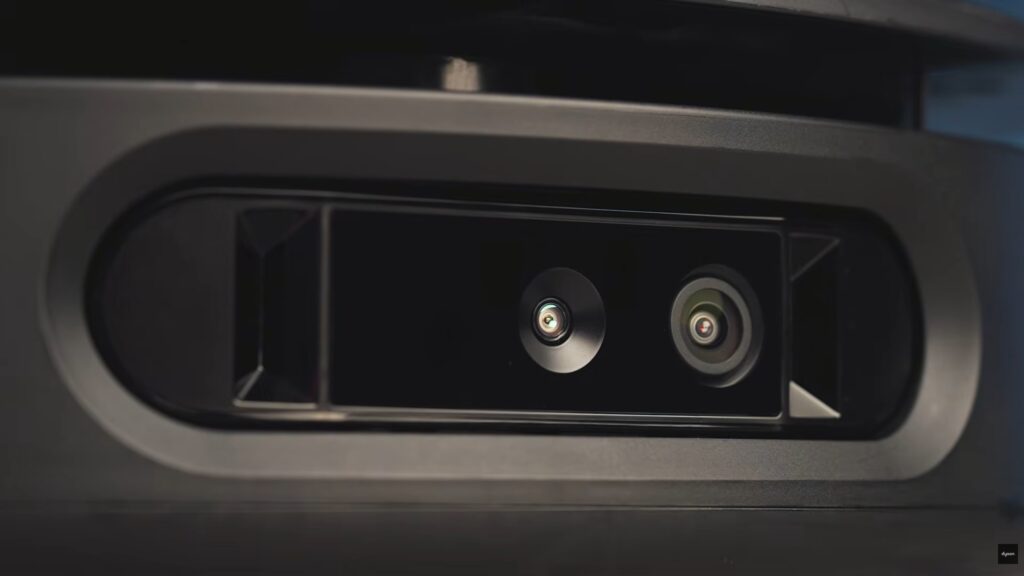
When explaining a highly advanced autonomous machine, standard B-roll footage of a vacuum moving across a floor isn’t enough. Consumers need to understand how the robot thinks.
Dyson bridges the gap between physical reality and digital perception by using a mix of live-action and 3D overlays:
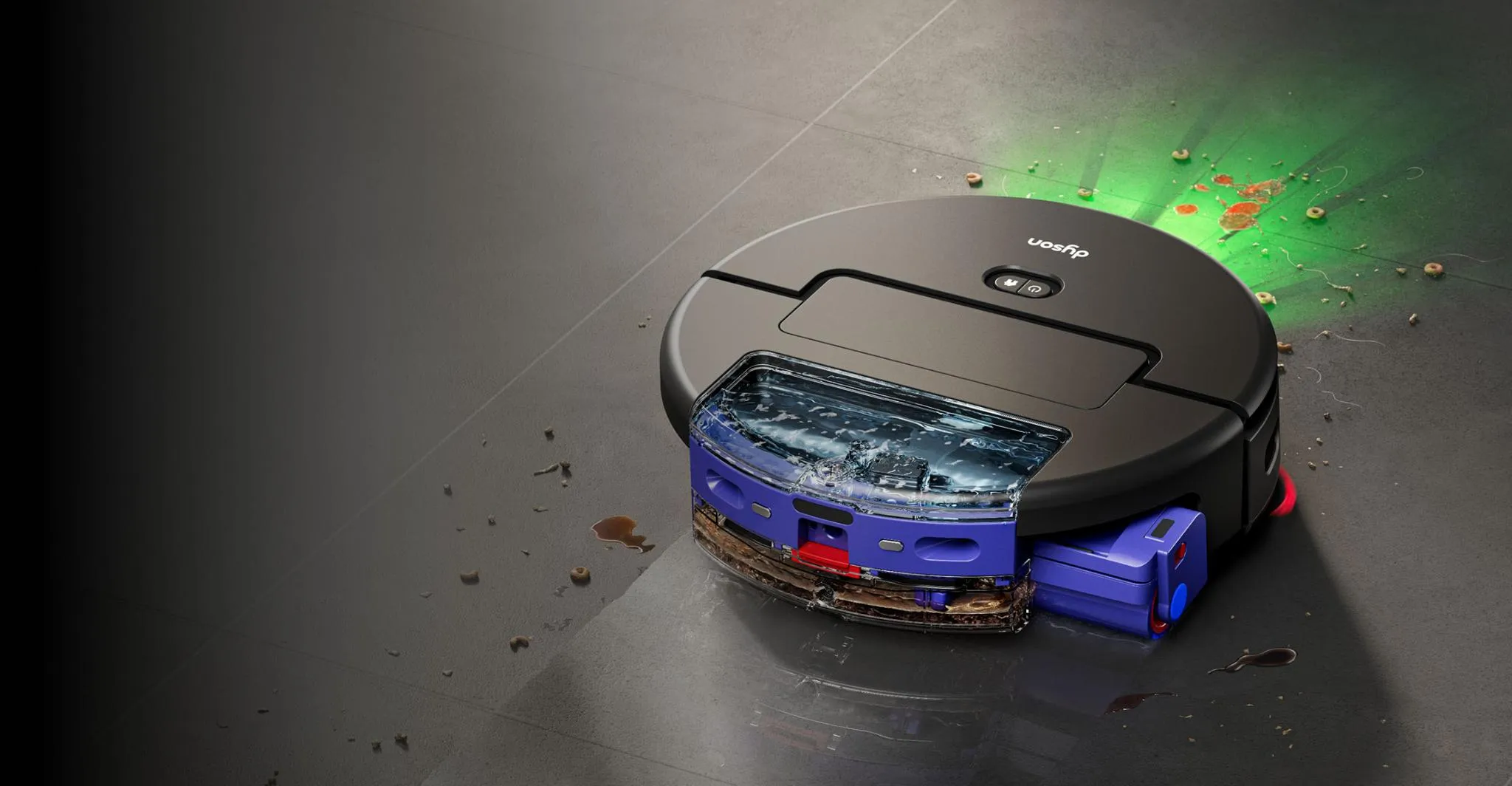
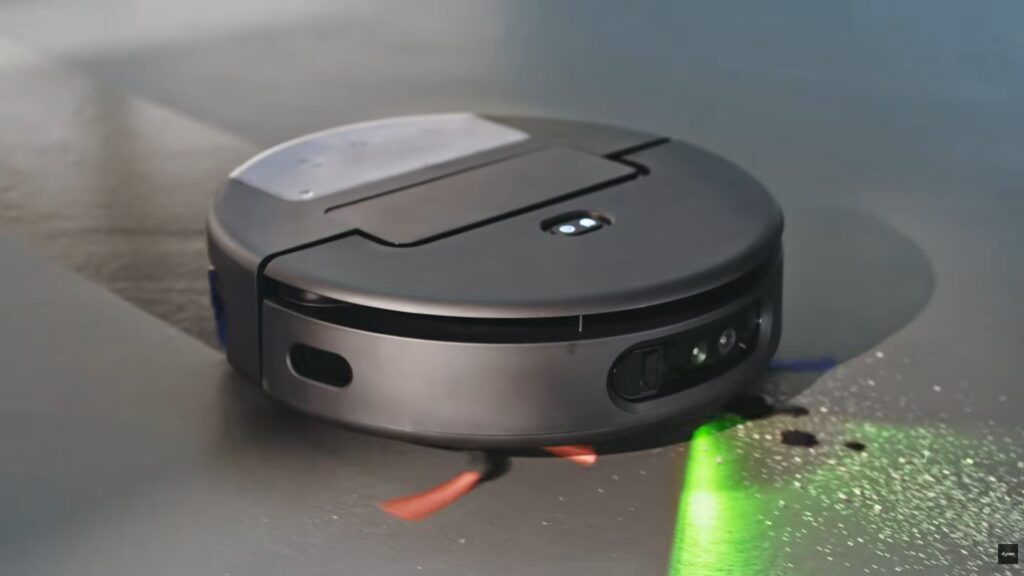
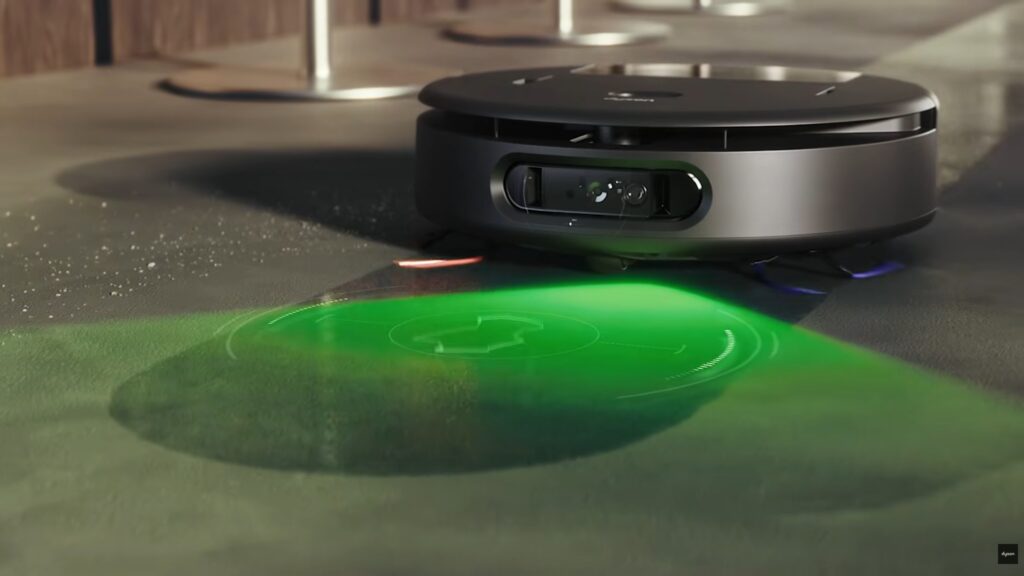
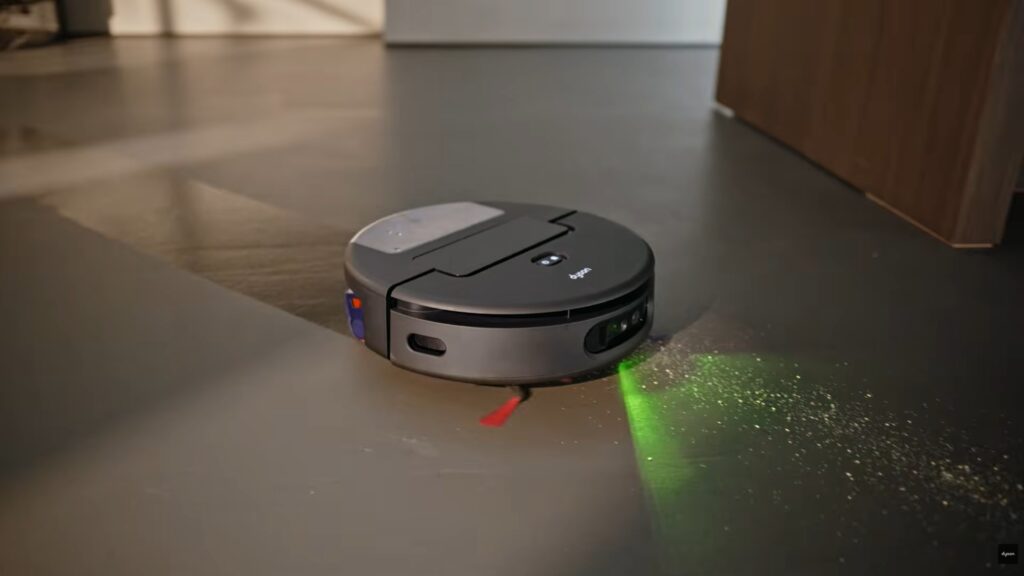
- The Physical Beam: The video shows the real-world robot projecting an illuminated green light to spot stains and fine dust.
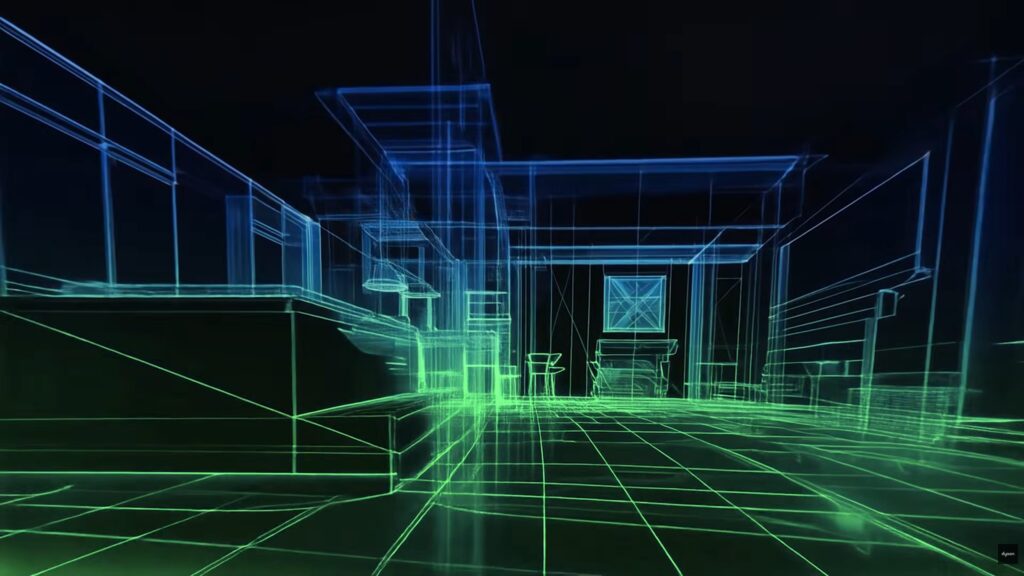
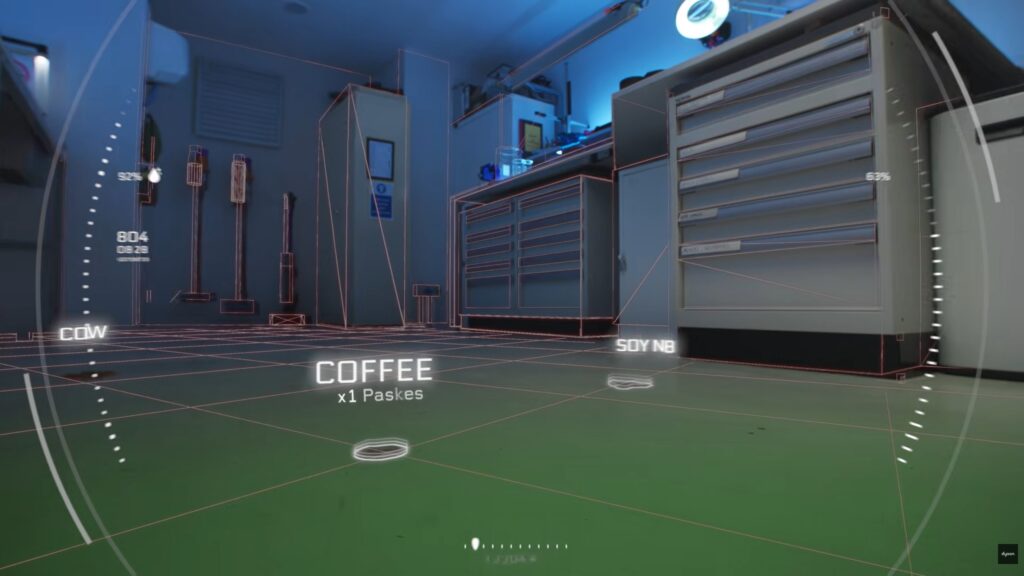
- The Digital Mind: The video seamlessly cuts to a 3D wireframe matrix showing the room from the robot’s perspective.
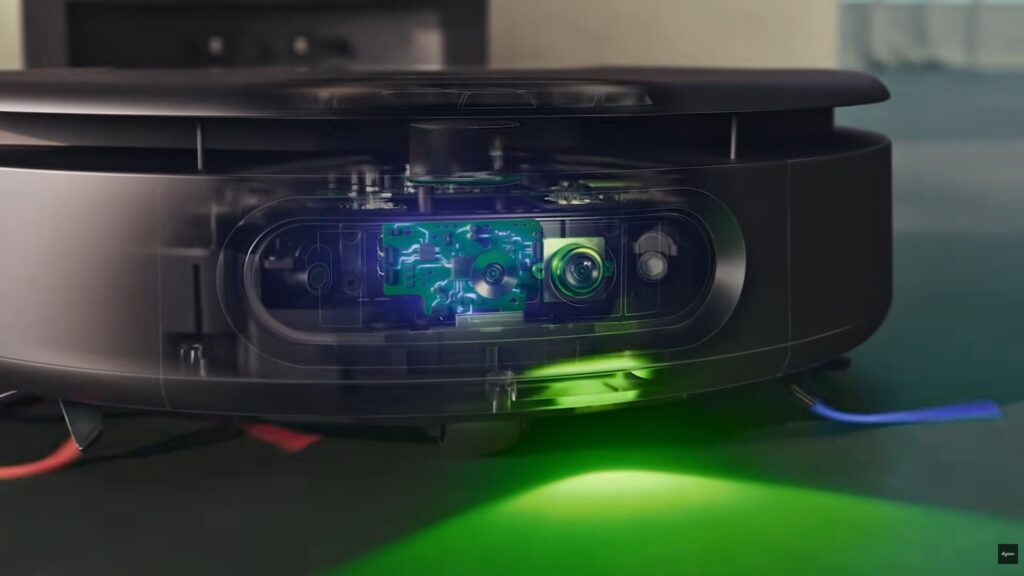
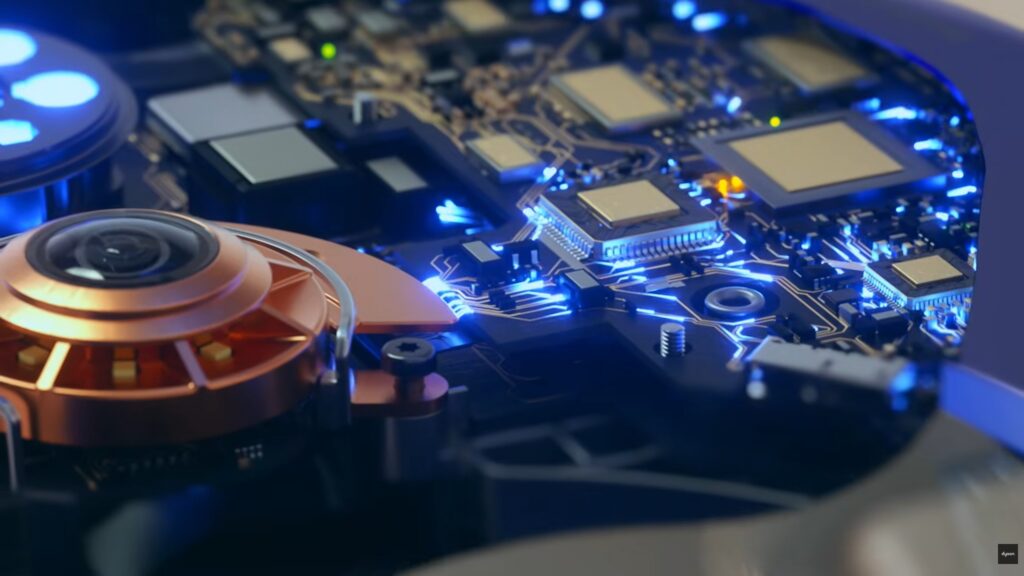
- The Brain Mechanics: To explain how the machine calculates its cleaning passes, the animation dives deep inside the hardware, showing a hyper-detailed, glowing 3D render of the microchips and camera lenses processing data paths in real time.
By visualizing the LiDAR scanning and processing power through animation, Dyson transforms abstract “AI” buzzwords into a concrete, visual feature that consumers can instantly understand.
2. “X-Ray Vision” Into Proprietary Engineering
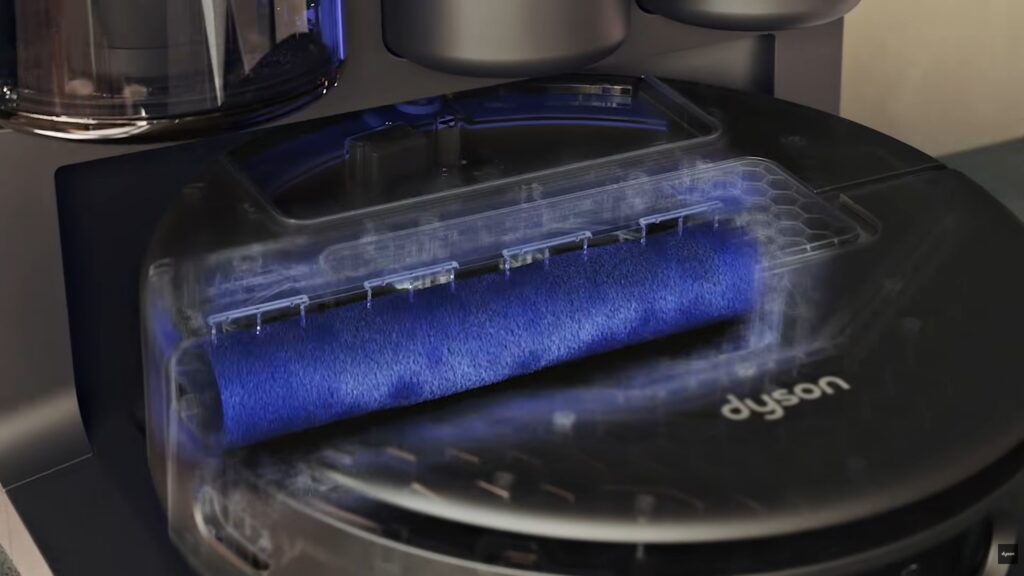
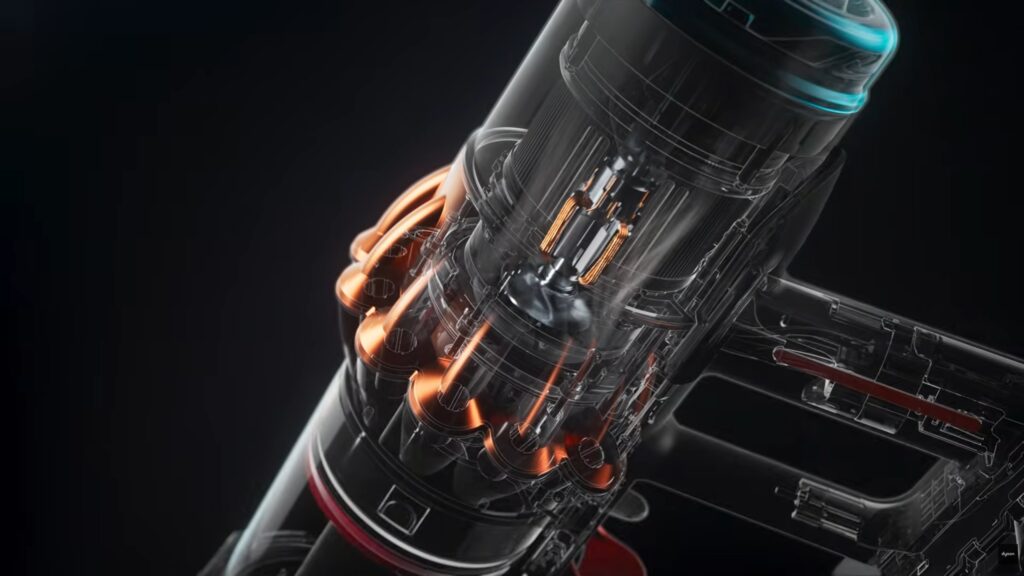
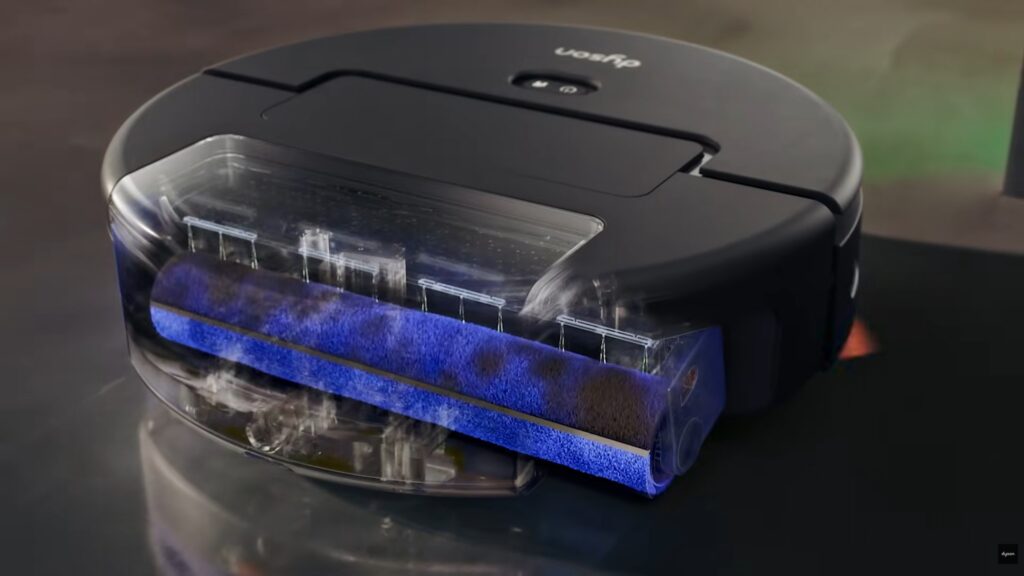
One of the hallmarks of a Dyson explainer video is the translucent cutaway animation.
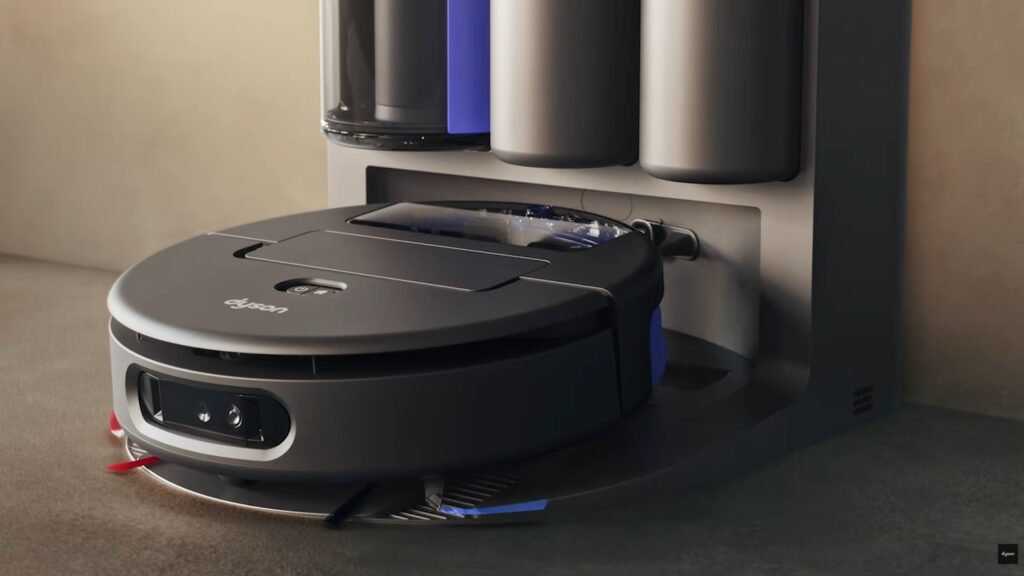
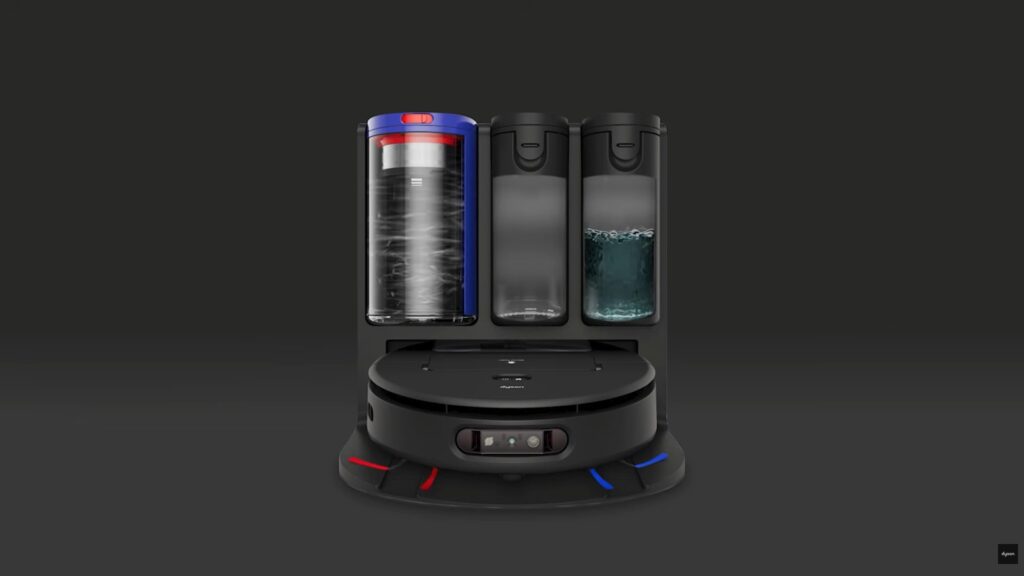
When Jake Dyson introduces the Root Cyclone™ Dock – which empties dry debris using a staggering 134,000g of force – a standard camera is useless. Dyson utilizes stunning, photorealistic 3D technical renders that peel back the plastic outer shell of the vacuum. If you are planning something similar, our guide to exploded view animation covers what it needs from your CAD file and what it costs.
This “X-ray vision” allows viewers to see the internal motor, the spinning gold-tinted cyclone chambers, and the precise mechanical paths of the airflow and water filtration. It doesn’t just look cinematic; it acts as visual proof of engineering superiority.
3. Demystifying Complex Micro-Mechanics
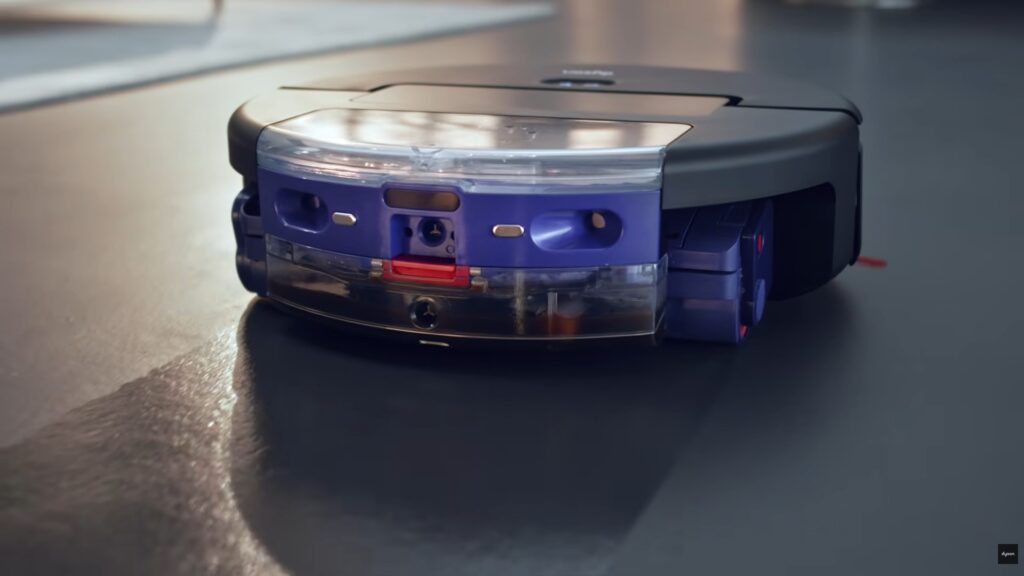
The Dyson Spot+Scrub™ Ai introduces a highly complex three-stage self-cleaning wet roller system. It hydrates with heated water, cleans the floor, and scrapes off dirt using an internal mangle-all within a single rotation.
Explaining this mechanics-heavy process verbally would easily lose the viewer’s attention. Instead, Dyson uses close-up 3D technical animations to slow down time. The animation isolates the roller, showing the exact point of water injection, the scraping mechanism, and how the roller automatically extends to clean along room edges.
Why Dyson’s Animation Strategy is a Masterclass in Product Marketing
Dyson’s heavy reliance on 3D technical animation isn’t just about looking futuristic; it serves three crucial business goals:
- Justifying Premium Pricing: When consumers can see the sheer amount of engineering, custom circuitry, and mechanical innovation packed inside a device, the premium price tag feels justified.
- Building Consumer Trust: Showing exactly how the autonomous features work-like how the dock extracts dirty water and washes the rollers-removes skepticism about whether the technology actually works.
- Overcoming Language Barriers: A well-executed 3D animation explaining airflow or mechanical movement is universally understood, making Dyson’s marketing highly effective across global markets without needing heavy script changes.
Behind the Scenes: The Blueprint of a Dyson Animation
Creating 3D animations of this caliber represents the absolute pinnacle of visual effects (VFX) and technical product visualization. Dyson has essentially established a new industry standard, transforming raw, confidential engineering data into a powerful marketing asset.
Here is a look at who makes these videos, how they are engineered, and what it costs to produce this level of work on a global scale.
1. Who Animates for Dyson?
While top-tier tech brands often outsource their high-end launches to elite external visual studios (such as ManvsMachine or Found), Dyson takes a different approach. The video for the Dyson Spot+Scrub™ Ai-like most of their major product launches-is produced entirely by their in-house creative division: Dyson New Product Comms (Dyson Digital Studio).
Dyson maintains a massive internal team of 3D artists, animators, and developers who work side-by-side with the actual product engineers. This close proximity grants the creative team unprecedented access to confidential prototypes and internal mechanics months before a product is ever announced to the public.
2. The Production Pipeline: From CAD Data to Final Render
Because these animations must be mechanically and physically accurate, the production pipeline differs drastically from a standard commercial animation.
- CAD Ingest & Retopology (Pre-Production): The process begins with raw CAD files (from software like SolidWorks or Catia) provided directly by Dyson’s engineers. These files contain every individual screw, valve, and internal wire, making them far too heavy for standard 3D animation software. 3D artists must manually clean and rebuild the geometry-a process called retopology-to optimize the models for rendering while maintaining micro-precision.
- Texturing, Rigging & FX Simulation (Production): This is where the machine gains its premium, tangible look. Materials are meticulously crafted to match the exact matte finish of Dyson’s custom plastics, the metallic sheen of the copper motor coils, and the glass elements of the lenses. Animators then rig the mechanical parts so that gears, rollers, and suspension systems move realistically.
- The Hardest Part: FX Simulation: The defining feature of a Dyson video is its physical simulations. This includes fluid dynamics (showing clean water injecting into the microfiber roller and dirty water being extracted), particle systems (dust moving through the cyclone chambers), and volumetric lighting (the bright green LiDAR laser mapping the room).
- Compositing & Motion Graphics (Post-Production): After rendering out hundreds of separate visual layers (lighting, reflections, internal cutaways), compositors use software like After Effects or Nuke to stitch everything together. This is where the live-action footage of the vacuum seamlessly “peels back” to reveal the translucent 3D interior, overlaid with the glowing blue and green wireframe UI that represents the robot’s AI brain.
Timeline & Resource Investment
For a highly technical video lasting 2 to 3 minutes, a standard production cycle spans 8 to 12 weeks (2 to 3 months) of intensive, specialized labor.
- Weeks 1-3 (CAD Preparation, Storyboarding & Animatic): Optimizing engineering data and mapping out the camera angles alongside the chief engineer’s script.
- Weeks 4-8 (Modeling, Animation & Complex FX Simulations): Rigging moving parts and running heavy physics simulations for water, air, and dust paths.
- Weeks 9-12 (Rendering, Compositing & Color Grading): Calculating final images in 4K resolution (which requires massive render farms due to the complex light refractions) and final editing.
The Cost of Technical Perfection
If an external client were to hire a top-tier global VFX studio to deliver an animation of this specific complexity and length, the production budgets would break down into the following industry tiers:
| Production Tier | Estimated Project Budget | What is Included |
| Premium / “Dyson” Class | $70,000 – $150,000+ | Advanced physics simulations (fluids, gases), complex X-ray cutaways, complete CAD conversions, and uncompromising photorealism. |
| High-End Studio Level | $40,000 – $70,000 | Elite photorealism, basic particle simulations, and clean mechanical animations without hyper-complex internal fluid dynamics. |
The main driver of the cost isn’t the camera movement or basic assembly; it is the art direction and the hours spent simulating physics. The deeper a video dives into the “exploded view” of custom circuitry, internal motors, and moving liquids, the more specialized artists are required – instantly pushing the project into the premium tier of digital production.
The Bottom Line
From the wireframe rooms of their AI navigation to the internal cyclones of their motors, Dyson proves that the best way to sell cutting-edge technology is to make it visible. By treating 3D product animation as a core part of their engineering narrative, Dyson doesn’t just sell vacuum cleaners-they sell a masterclass in modern engineering.
Premium Engineering Visuals. Realistic Budgets.
Showing the invisible mechanics of your product is what drives sales, but it shouldn’t cost a fortune. We bridge the gap between top-tier VFX studio quality and smart, accessible production. You get the stunning X-ray cutaways, fluid simulations, and high-end 3d technical animation your tech deserves, completely optimized for your budget.
Related Articles
Product Launch Video for Physical Products: Structure, Examples and Cost (2026)
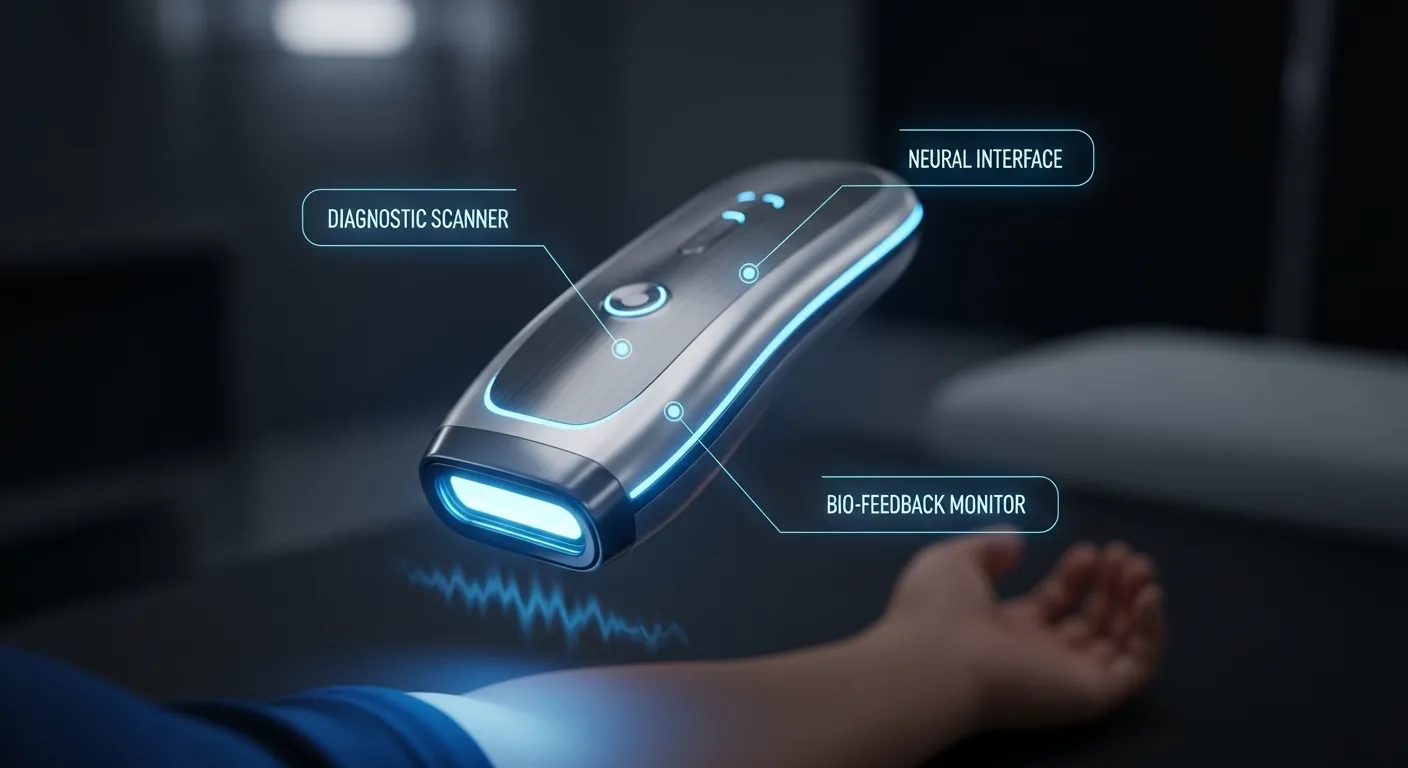
The Art of 3D Product Animations for Medical and Laboratory Devices
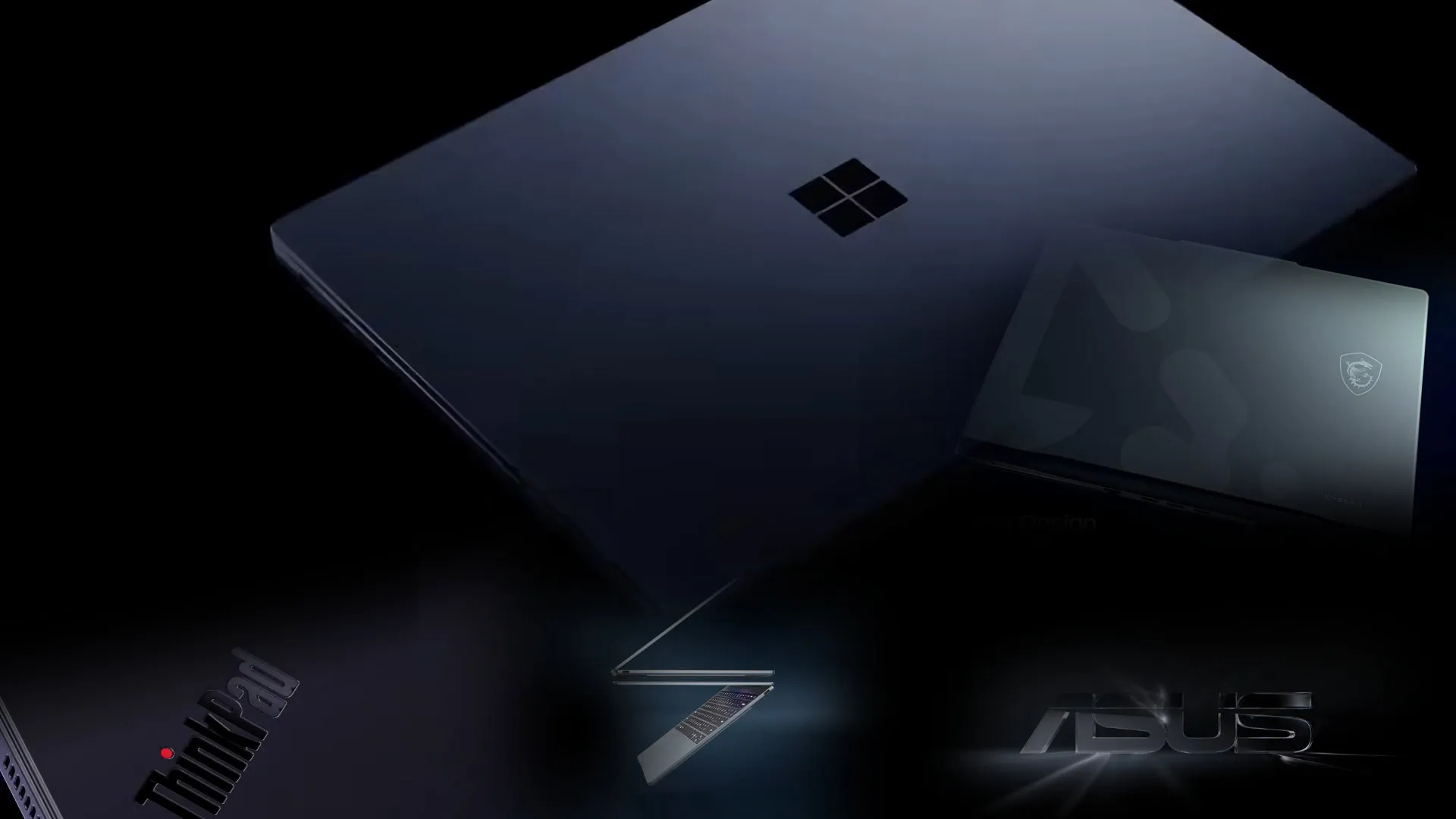
Tech Giants Head-to-Head: Laptop 3D Product Animation Showdown
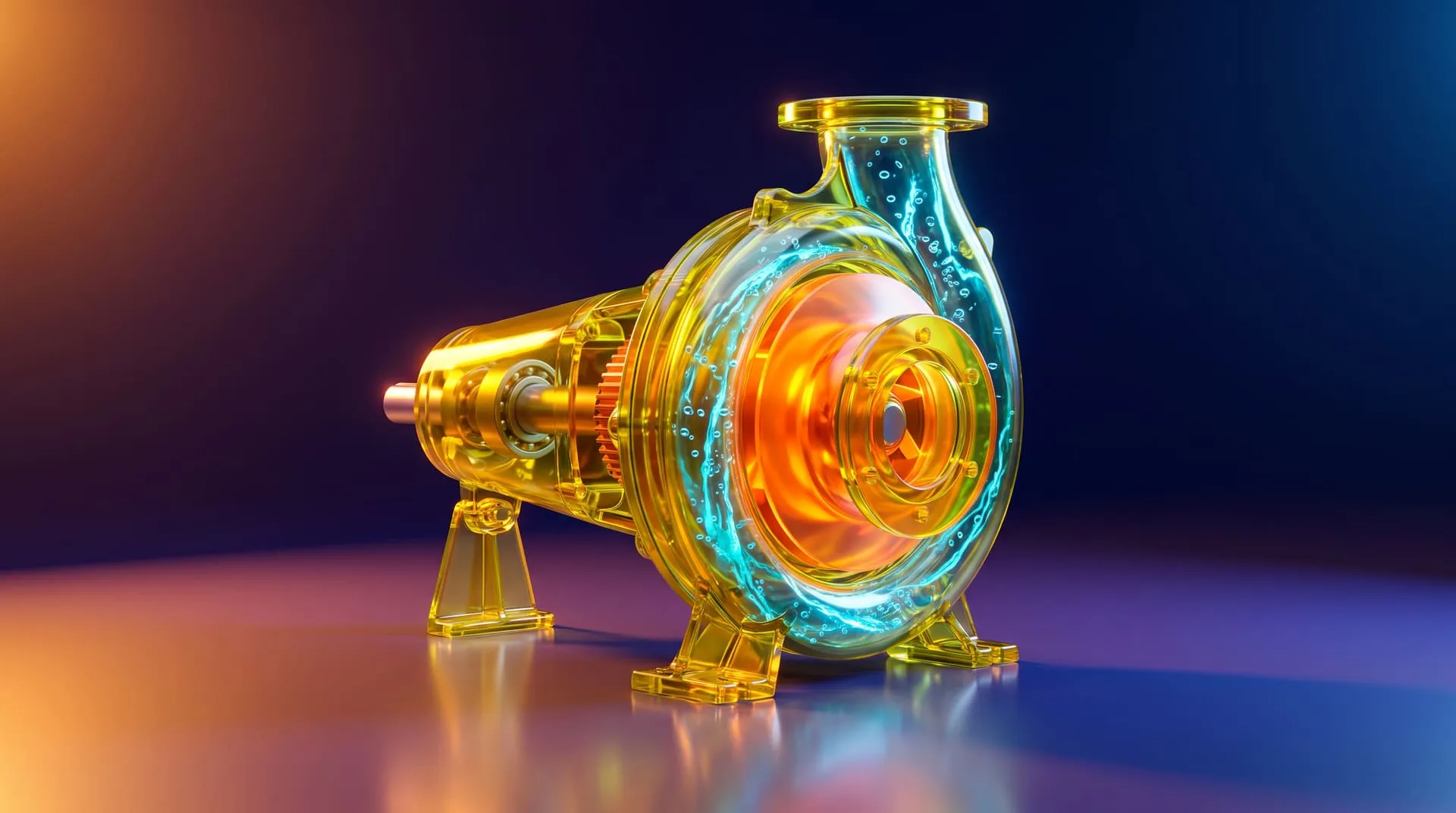
Industrial 3D Animation: How Equipment Makers Explain Machines You Cannot Film (Examples, Cost, Process)
Elevate Your Digital Showcase: How to Get an Interactive 3D Model on a Website
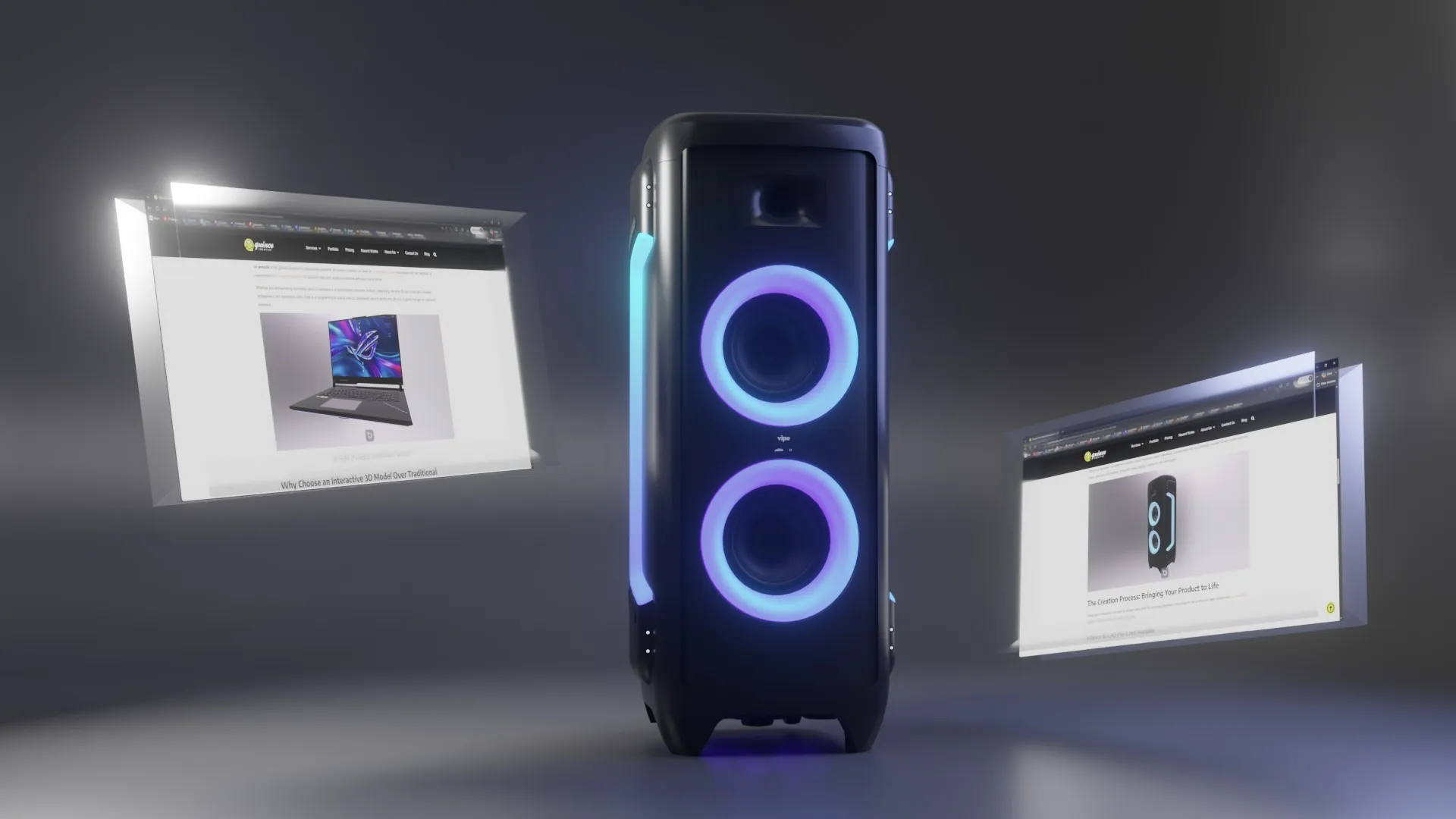
3D Product Animation for Audio Devices

 Rachel A