
Product Hero Shots: What They Are, Why Brands Now Render Them in CGI, and What They Cost
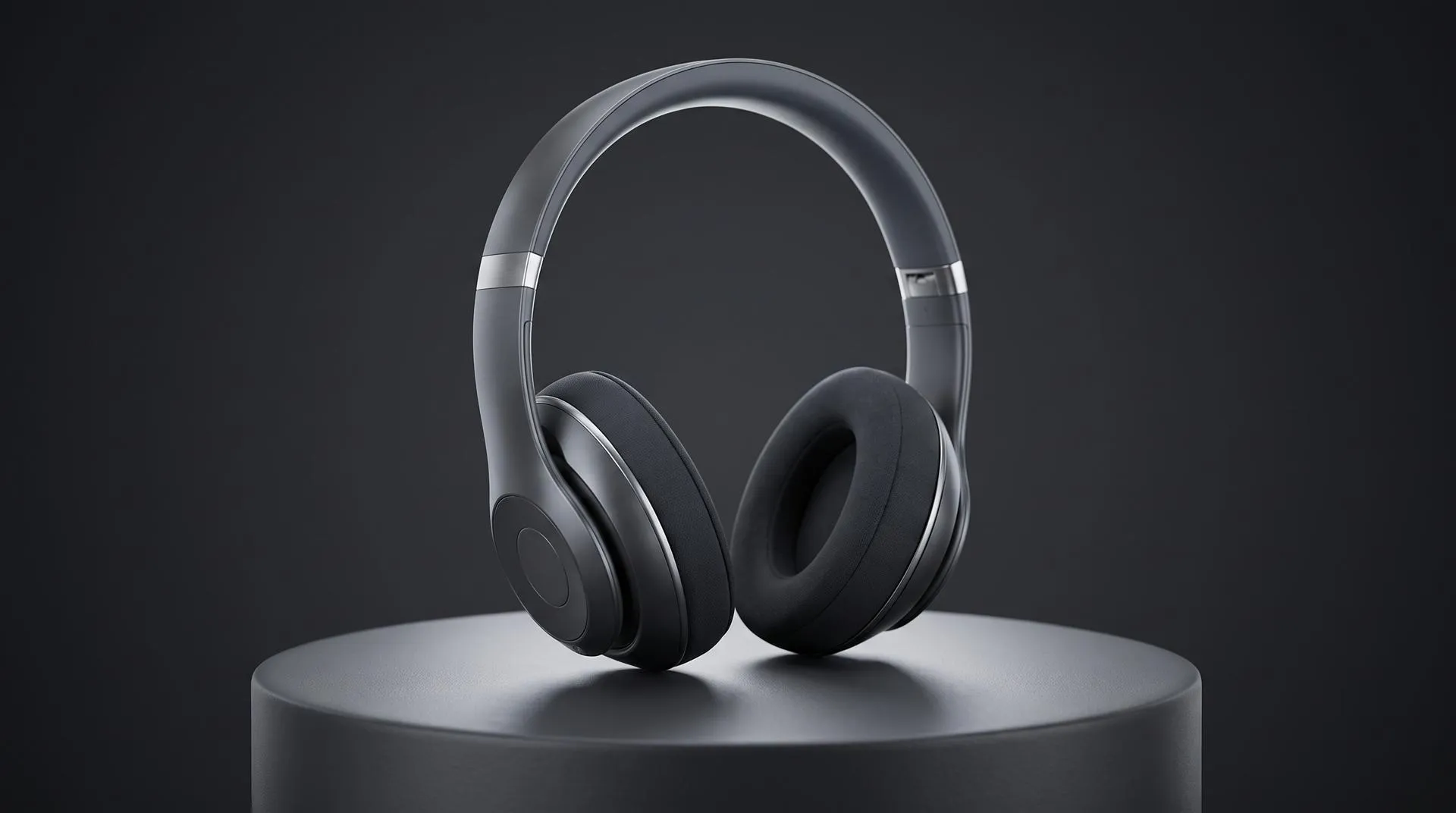
A product hero shot is the single image that has to sell your product on its own. It is the picture at the top of your homepage, the first image on your listing and the frame in your ad. One product, shot or rendered at its best angle, with lighting that shows its shape and its main material.
Many brands come to us with a hero shot problem before they know the term. The launch page is ready, the ads are scheduled, and the only images of the product are factory samples on a desk or KeyShot stills that look fine but flat. Or the product is not manufactured yet, and there is nothing to photograph at all.
What is a product hero shot?
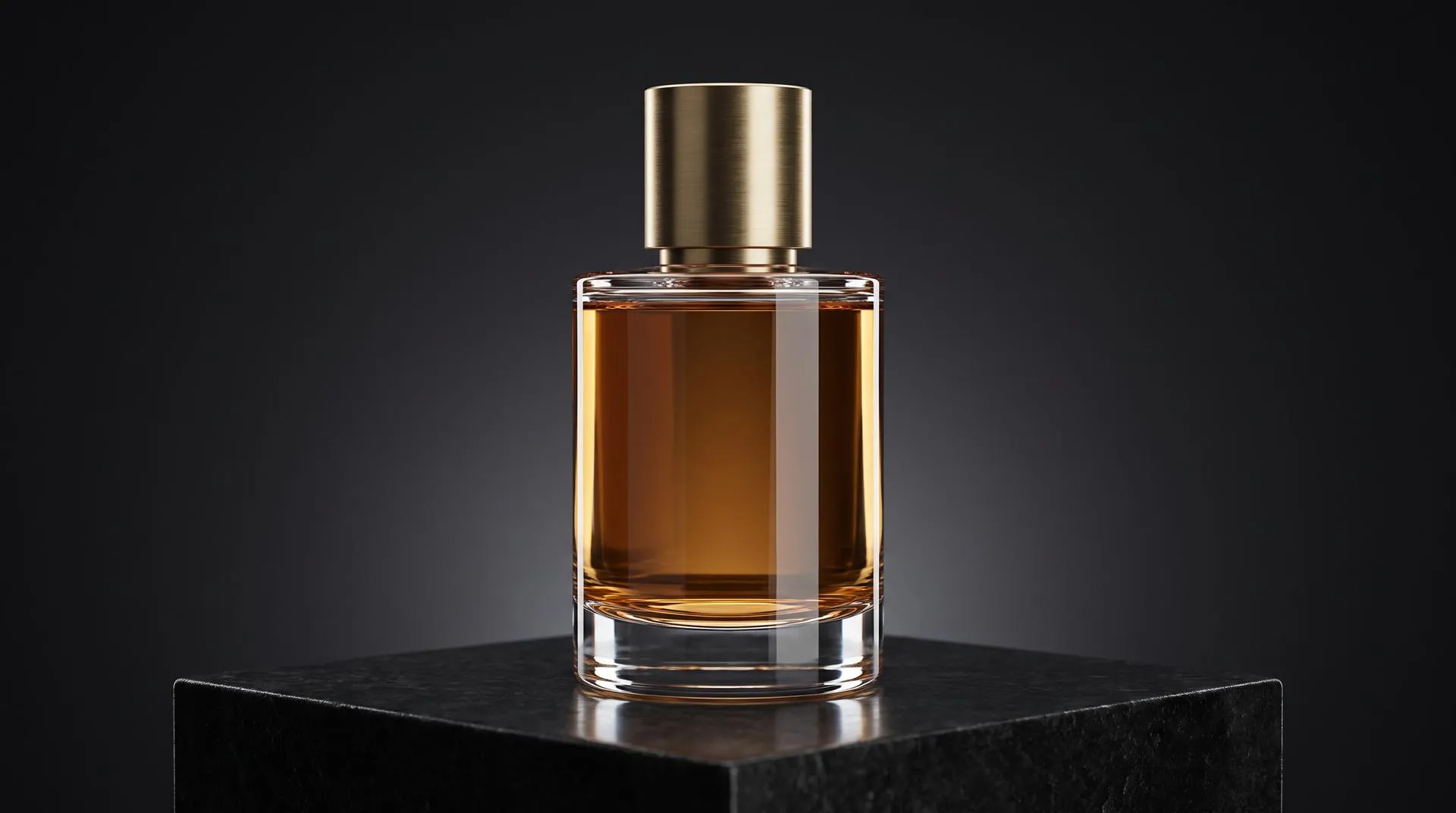
A product hero shot is the main marketing image of a product, made to stop the scroll and make the product look as good as it really is. The term comes from film and advertising, where the “hero” is the product the whole set is built around.
A hero shot usually has these traits:
-
One product, alone. No props competing with it, or only one or two that support the story.
-
A chosen angle. Usually the angle that shows the shape best, often slightly low so the product feels solid and important.
-
Designed lighting. Rim light on the edges, a controlled highlight on glossy surfaces, shadows that give depth.
-
A simple background. Dark, gradient or a single brand color, so the product reads at thumbnail size.
-
Room for copy. Negative space where the headline, price or “Shop now” button will sit.
It ends up on the homepage banner, launch or pre-order page, paid social, email headers and press kits.
Hero shot vs lifestyle shot vs white background
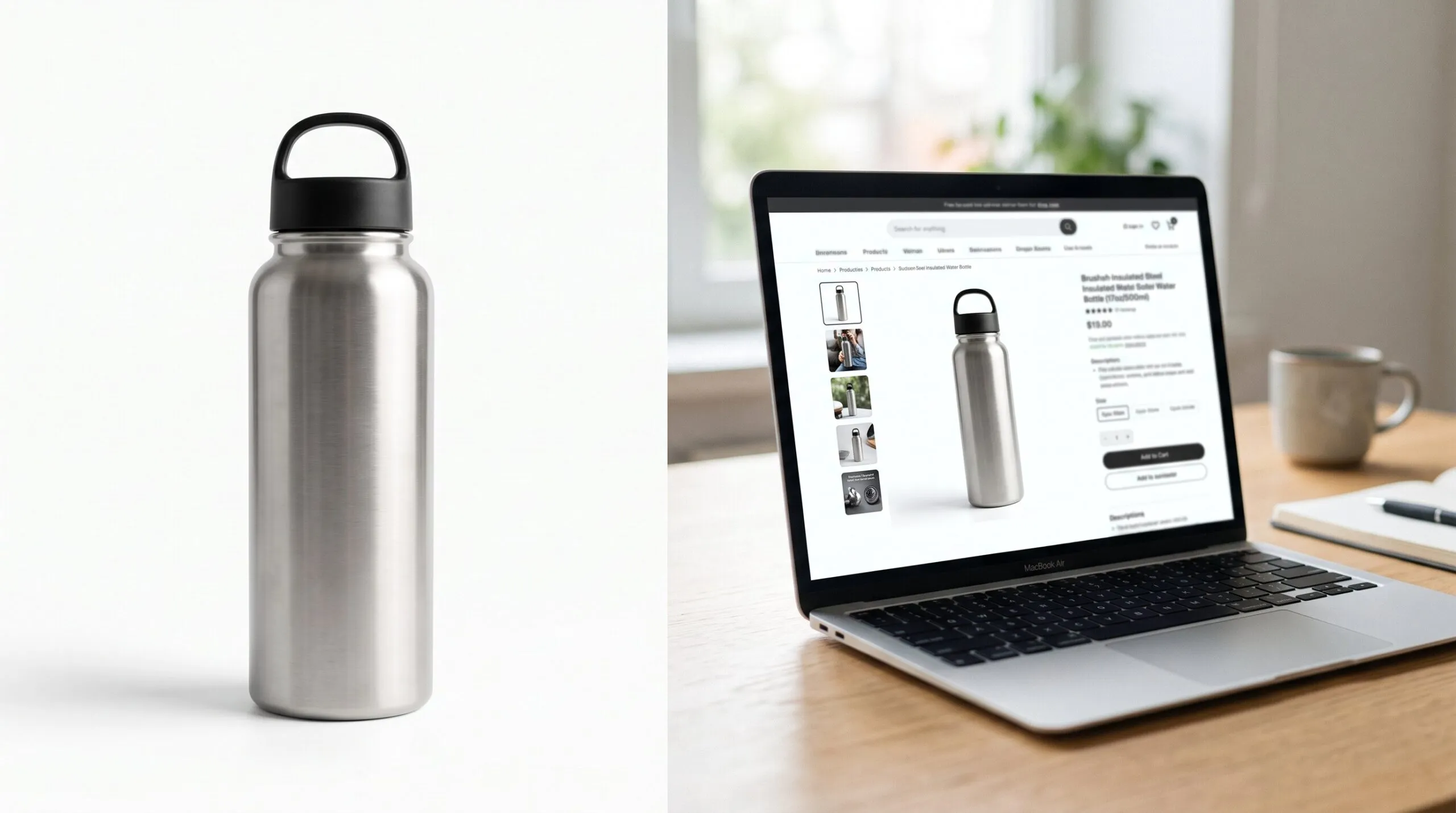
These are three different jobs, and most listings need all three. The hero shot sells the idea of the product, the white background shot shows exactly what arrives in the box, and the lifestyle shot shows the product in someone’s life.
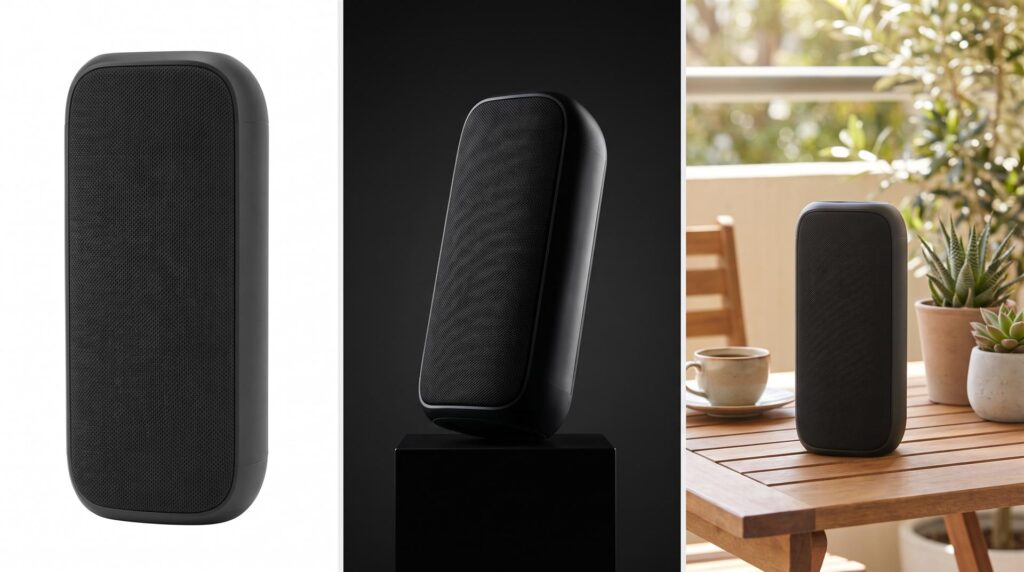
| White background (packshot) | Hero shot | Lifestyle shot | |
|---|---|---|---|
| Job | Show exactly what the buyer gets | Make the product look its best and stop the scroll | Show the product in use, in context |
| Background | Pure white | Dark, gradient or brand color | A real or rendered room or setting |
| Lighting | Even, flat, no drama | Shaped: rim light, highlights, deep shadows | Natural, matches the scene |
| Where it goes | Amazon main image, catalog, Google Shopping | Homepage, launch page, ads, email | Secondary listing images, social, blog |
| How many you need | One per angle and colorway | One to three per product | Several, per season or audience |
On Amazon, the “hero” is the white background shot. Amazon’s own product photo guide says product shots should in most cases be on white (RGB 255, 255, 255) with the product filling 85% or more of the frame. So the dramatic hero shot cannot be your Amazon main image. It still does the hero job in search results, so give it the same care: best angle, clean edges, materials that read at small size. The dramatic version goes in your A+ content, your Brand Store and your ads.
What makes a hero shot work
A hero shot works when a viewer understands the product’s shape and its best material in under a second. Four things decide that.
Light shapes the product. Flat, even light is right for a packshot and wrong for a hero. A hero shot uses a main light to define the form, rim lights to separate the edges from the background, and a long soft highlight on glossy surfaces so plastic looks like plastic and aluminum looks like aluminum.
The angle gives it presence. A camera slightly below the product makes it feel bigger and more solid. A straight front view works for flat products like monitors or phones. A three-quarter view shows depth on almost anything else. Pick the angle that shows what makes your product different, not just the front.
The background stays out of the way. Dark backgrounds make highlights pop and hide reflections. Brand colors work if the product contrasts with them. Busy backgrounds turn a hero shot into a lifestyle shot.
One detail gets the spotlight. A good hero shot picks one feature to land on: the knurled dial, the woven fabric, the glass edge, the fill level of the liquid. The rest of the frame supports it.
If you already have an in-house KeyShot designer, those four points are the gap between their good catalog stills and a hero shot. Often the model and materials are already there, and what is missing is time spent on lighting and composition for one image instead of fifty.
Photographed vs CGI hero shots: when each wins
CGI wins when the product does not exist yet, when you need many colorways, or when the material is hard to photograph. Photography wins when you have the product in hand, one colorway and a good photographer nearby. Neither is better in general.
| Situation | Photographed hero shot | CGI hero shot |
|---|---|---|
| Product is not manufactured yet | Not possible, or a hand-made prototype with visible flaws | Made from your CAD file, months before samples |
| Many colorways | Needs a sample in every color and a reshoot or heavy retouching | Same scene, swap the material, render again |
| Glass, chrome, polished metal | Reflections of the studio and photographer, lots of retouching | Reflections are designed, nothing unwanted in them |
| Liquids, splashes, floating parts | Hard to time, many takes, high-speed rigs | Controlled frame by frame |
| You have the product and one color | Fast, often cheaper | Needs a 3D model first, which costs more up front |
| Soft goods, food, fabric with complex drape | Usually more convincing | Possible, but takes more time to look real |
| Future updates (new angle, season, ad format) | New shoot | Re-render from the same scene |
Unreleased products are the most common reason brands go CGI. Hardware launches often lock the marketing date before production samples are ready. With a CAD file you can have final hero shots for pre-orders and the launch page while the factory is still tooling. This is also where accuracy matters most, because the image becomes a promise. We wrote about why that matters in our post on photorealistic renders.
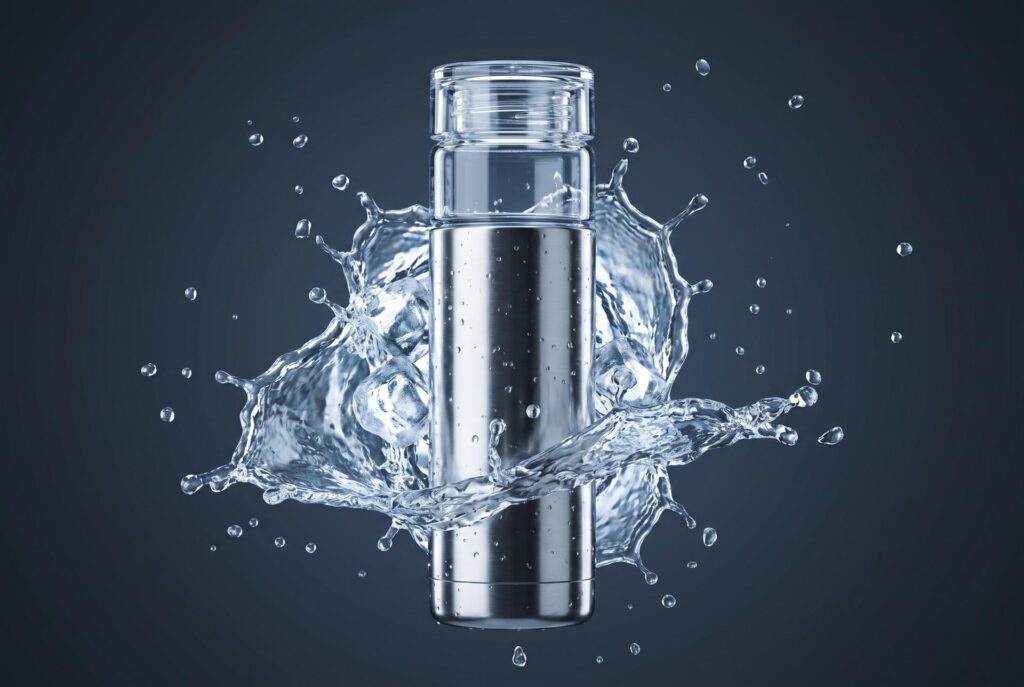
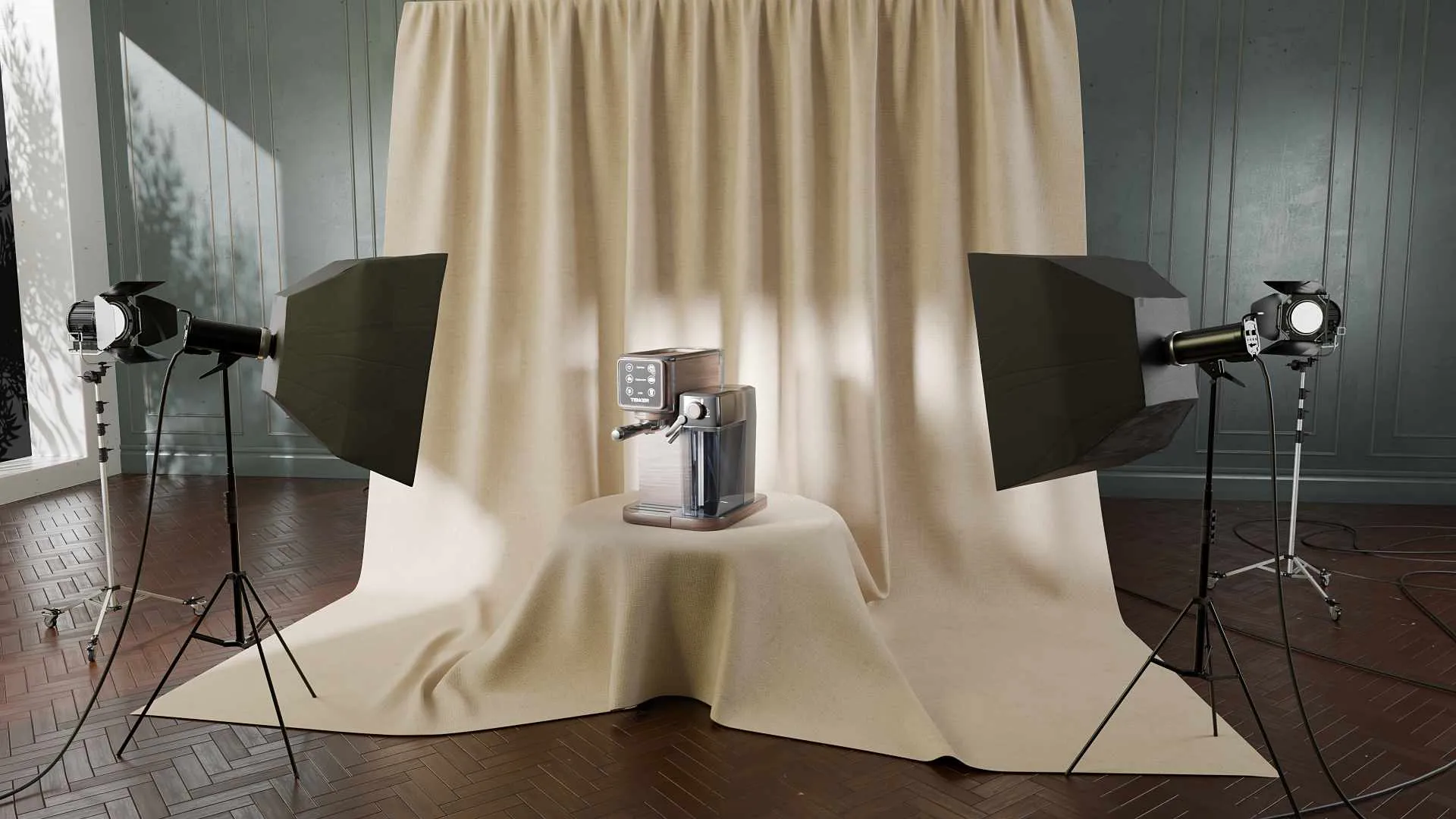
Hard materials are the second reason. A chrome kettle reflects the whole studio. A glass bottle needs careful backlighting to show its edges. A splash has to be caught in the exact right millisecond. In CGI each of these is a setting, not a gamble.
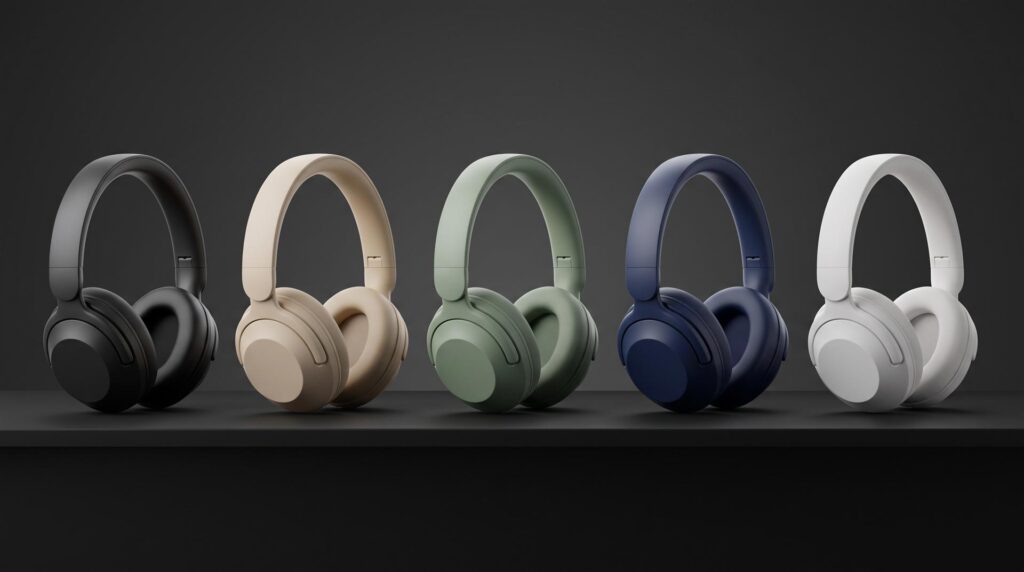
Colorways are the third. If your product ships in five colors, a CGI hero shot gives you five identical images: same angle, same light, same shadow. That consistency is hard to get from a shoot, and it matters on a product page where the shopper clicks through colors. It is one of the main reasons brands build a reusable 3D asset library instead of booking a new shoot each season.
And when photography is the better call, say so. If your product is a single-color item that already exists, sells mostly on Amazon and does not need a dramatic hero, a good product photographer is likely faster and cheaper than building a 3D model. A 3D model pays off when you reuse it: more colorways, more formats, a video later.
What is a hero shot in a video?
In a product video, the hero shot is the moment the product is shown complete, still and perfectly lit, usually as the last shot before the logo or call to action. It is the frame people remember and the one you often pull out as a thumbnail or a still for ads.
In a 3D product animation the hero shot typically comes after the exploded views and feature callouts. The parts fly back together, the camera settles, the light sweeps across the surface, and the product holds for a few seconds.
A CGI hero shot and a video hero shot can come from the same scene. If you plan both from the start, the still and the final frame of the animation share the model, materials and lighting. That saves money and keeps your launch page and your video visually identical.
How much does a CGI hero shot cost?
With your CAD file, a CGI hero shot from us starts at $550, and that same price covers up to 10 images. The 3D model is the largest cost, so the first image is expensive and every extra angle or colorway is cheap.
Here is how our pricing adds up for still images, using the calculator on our 3D product rendering page:
| Item | Price |
|---|---|
| 3D model prepared from your usable CAD file or KeyShot scene | $200 |
| 3D model built from scratch, depending on complexity | $400 to $2,000 |
| 1 to 10 images | $250 |
| Solid color or transparent background | $100 |
| Detailed 3D background (environment, abstract set) | $500 |
| Extra format: square (1:1) or vertical (9:16), each | $100 |
So a simple hero shot set from your CAD file on a solid or dark background is $200 + $250 + $100 = $550. The same set with a built 3D environment instead of a plain background is $950. If we need to model the product first, add the modeling tier instead of the $200 CAD preparation. A set of up to 10 images from your CAD file is typically delivered in about a week.
Two things to agree on before you order, from us or anyone else:
-
Who owns the 3D scene. Paying for the images does not automatically mean you get the 3D model and scene files. If you want to reuse the model for video, a configurator or next year’s colorway, put it in the agreement up front.
-
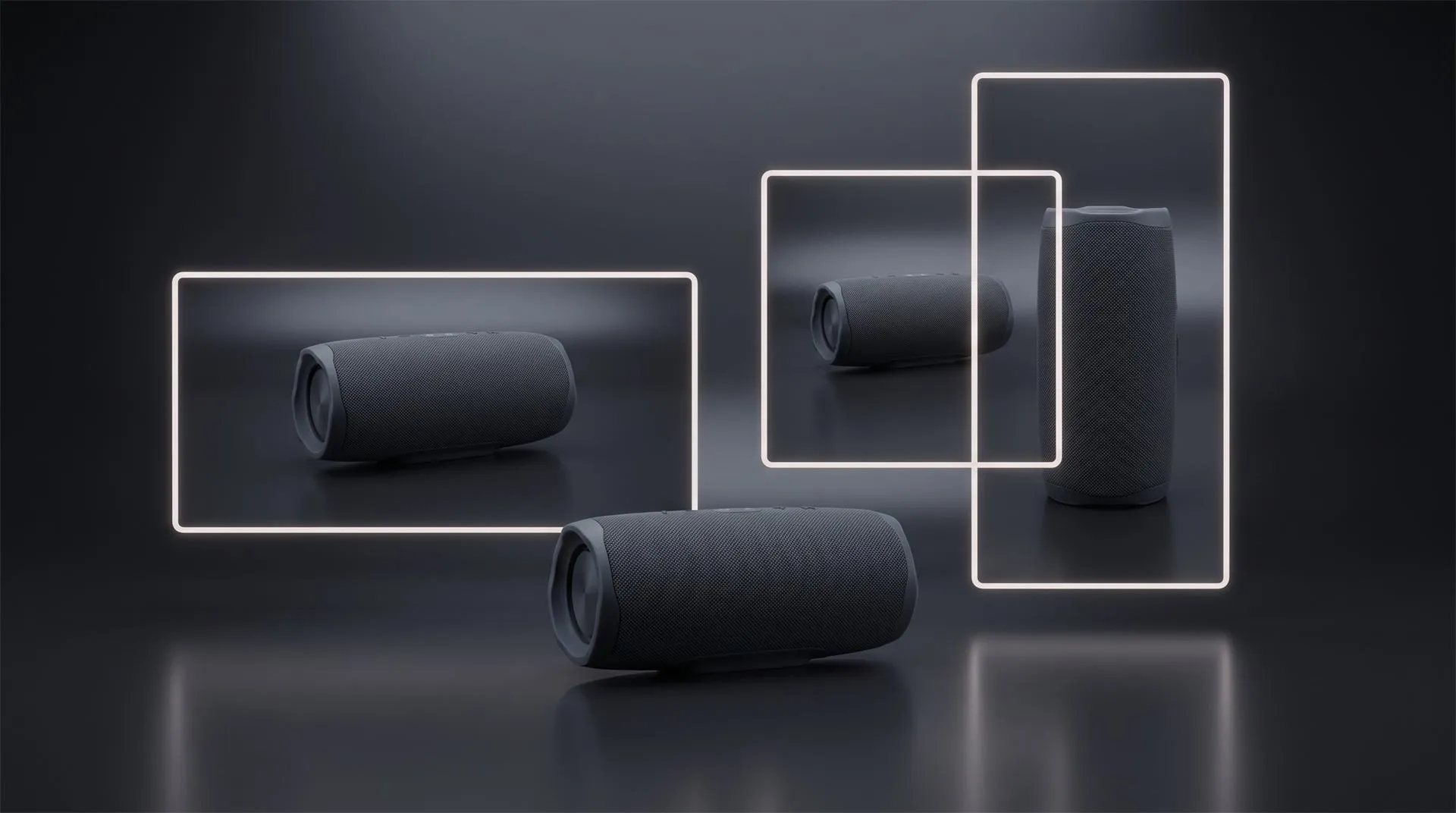
Which formats you need. A 16:9 banner, a 1:1 ad and a 9:16 story are three different camera framings, not three crops of the same file. Each extra format is $100 with us, and it is easier to plan the camera for all of them at once.
What to send when you order a CGI hero shot
-
CAD file (STEP, IGES or native format) or KeyShot scene
-
Material and color references: Pantone or RAL codes, finish samples, photos of a physical sample if you have one
-
Logo and print artwork as vector files
-
Two or three reference hero shots you like, from any brand
-
Where the image will run (homepage banner, ad, Amazon A+, print) and in which formats
-
A list of colorways
-
Your launch date
Common mistakes
-
Using the Amazon main image as your homepage hero. A flat packshot on white does not stop anyone on a homepage or in a feed. You need both versions.
-
Lighting everything evenly. Even light kills the shape. A hero shot needs shadows.
-
Too many props. Once the frame has a plant, a mug and a laptop, it is a lifestyle shot.
-
Rendering a product that does not match production. A CGI hero shot made from an outdated CAD file is a problem when the real product ships with a different button or finish. Google’s Merchant Center image rules also ask that images depict the actual physical product, not a mockup.
-
No space for copy. The designer building your banner needs empty space on one side of the product. Agree on the layout before rendering.
-
Mixed angles across colorways. On Shopify, keep the main images in a consistent aspect ratio and keep the angle and light identical too, so switching colors looks like the same product changing color, not a different photo.
FAQ
What is a hero shot?
A hero shot is the main image of a product, lit and framed to make it look its best and to sell it at a glance. It is used on the homepage, launch page and in ads.
What is a hero shot in a video?
It is the shot where the product is shown complete, still and in its best light, usually at the end of a product video before the logo or call to action. It often doubles as the video thumbnail.
What is the difference between a hero shot and a lifestyle shot?
A hero shot shows the product alone on a simple background with designed lighting. A lifestyle shot shows the product in a real setting, in use, with props or surroundings.
Can a hero shot be made in CGI instead of a photoshoot?
Yes. From a CAD file or a 3D model, a CGI hero shot can look the same as a photograph. It is the better choice for unreleased products, many colorways and hard materials like glass, chrome and liquids.
How much does a product hero shot cost?
From us, a CGI hero shot set of up to 10 images starts at $550 with your CAD file and a plain background. Building the 3D model from scratch adds $400 to $2,000 depending on complexity.
Not sure if you need CGI or a photographer?
Send us your CAD file and tell us where the image will run. We will tell you whether a CGI hero shot makes sense, or whether a photographer will get you there faster and cheaper.
Related Articles
How Much Does 3D Product Rendering Cost in 2026? Per-Image Prices, What Drives Them and How to Pay Less
Your Catalog Keeps Growing and Every New Product Means Another Photoshoot. Build the Asset Library Instead
What Software Can You Use to Create 3D Product Images for Amazon Listings?
3D Product Animation Trends in 2026: What Brands Are Doing Now
It Is 2026, Apple Puts AI in Every Device, and It Still Launched Its New Hardware With 3D Animation
You Made a Product Image with AI. Here Is Why It Cannot Become Your Product Video.
 Rachel A