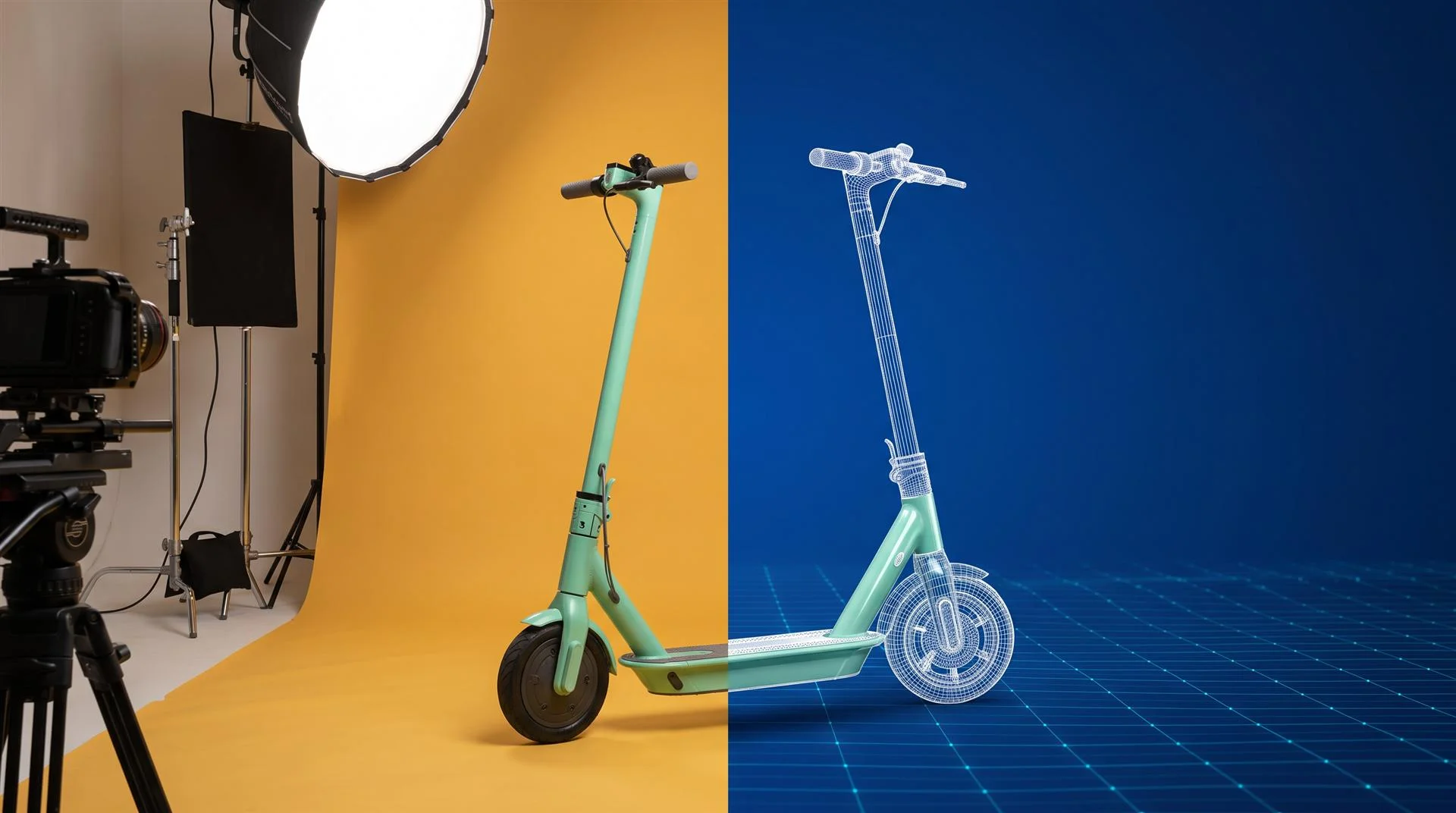
Film it if the product is finished and the story is about people using it. Animate it if the product is not built yet, if the selling point is inside it, or if you need many colors and formats from one source. Mix the two when you need both real people and an exact product. Price depends less on the route than on what the video has to show.
Most teams we talk to have already half decided. Someone on the team wants “something cinematic,” someone else has a quote from a local video crew, and the industrial designer has a KeyShot file that already looks great as a still. The question is which route gets you a video that sells this product, by your launch date, without paying twice.
This guide is written for that decision. We make 3D product animation for a living, so we will say clearly where live action is the better buy.
Live action or 3D animation: what is the short answer?
Live action wins on people, places and real texture. 3D animation wins on products that do not exist yet, hidden mechanisms, variants and late changes. The table covers the questions that usually decide it.
| Question | Live action | 3D animation |
|---|---|---|
| Do you need a finished product? | Yes, camera-ready samples | No, a usable CAD file is enough |
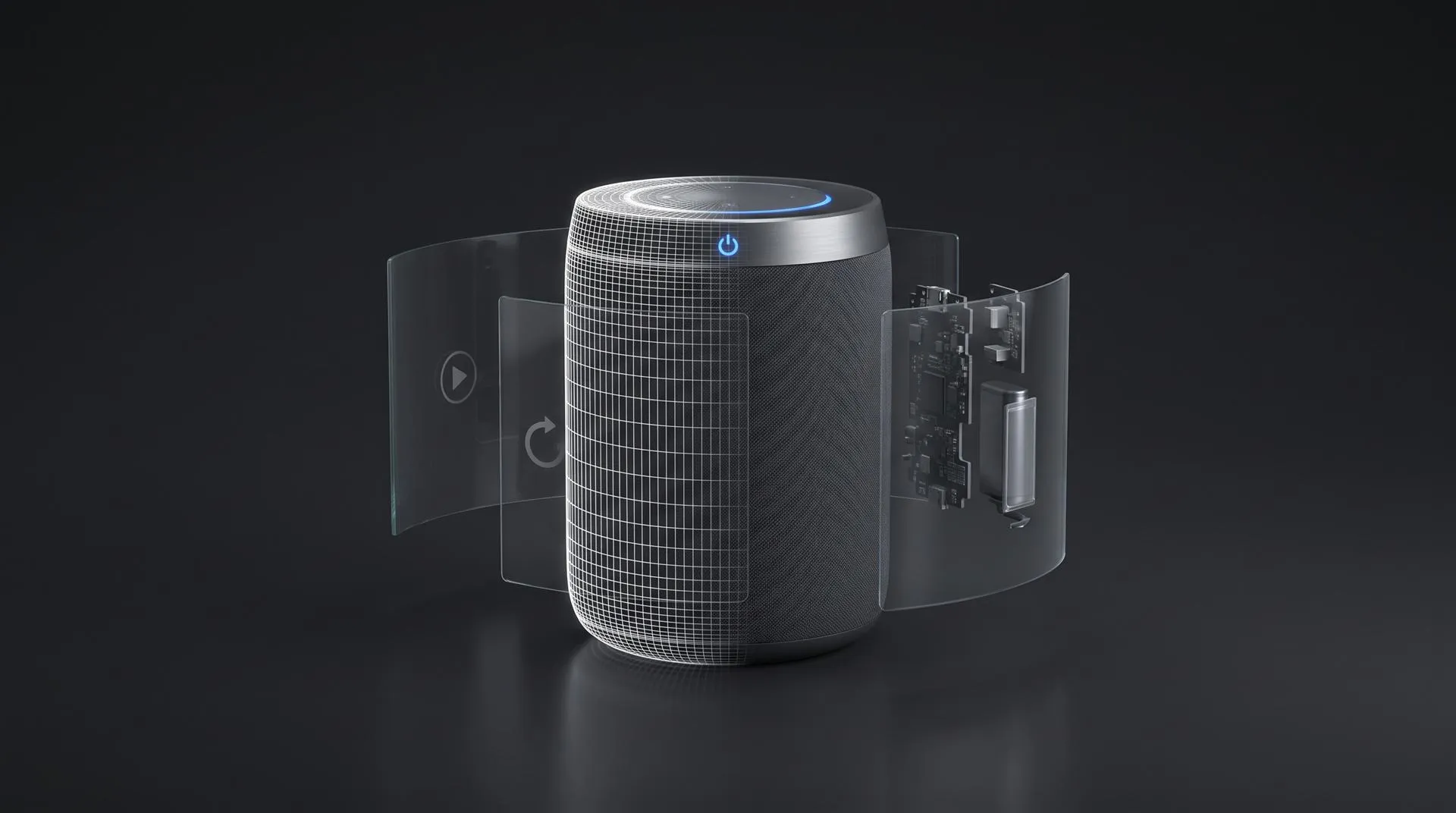
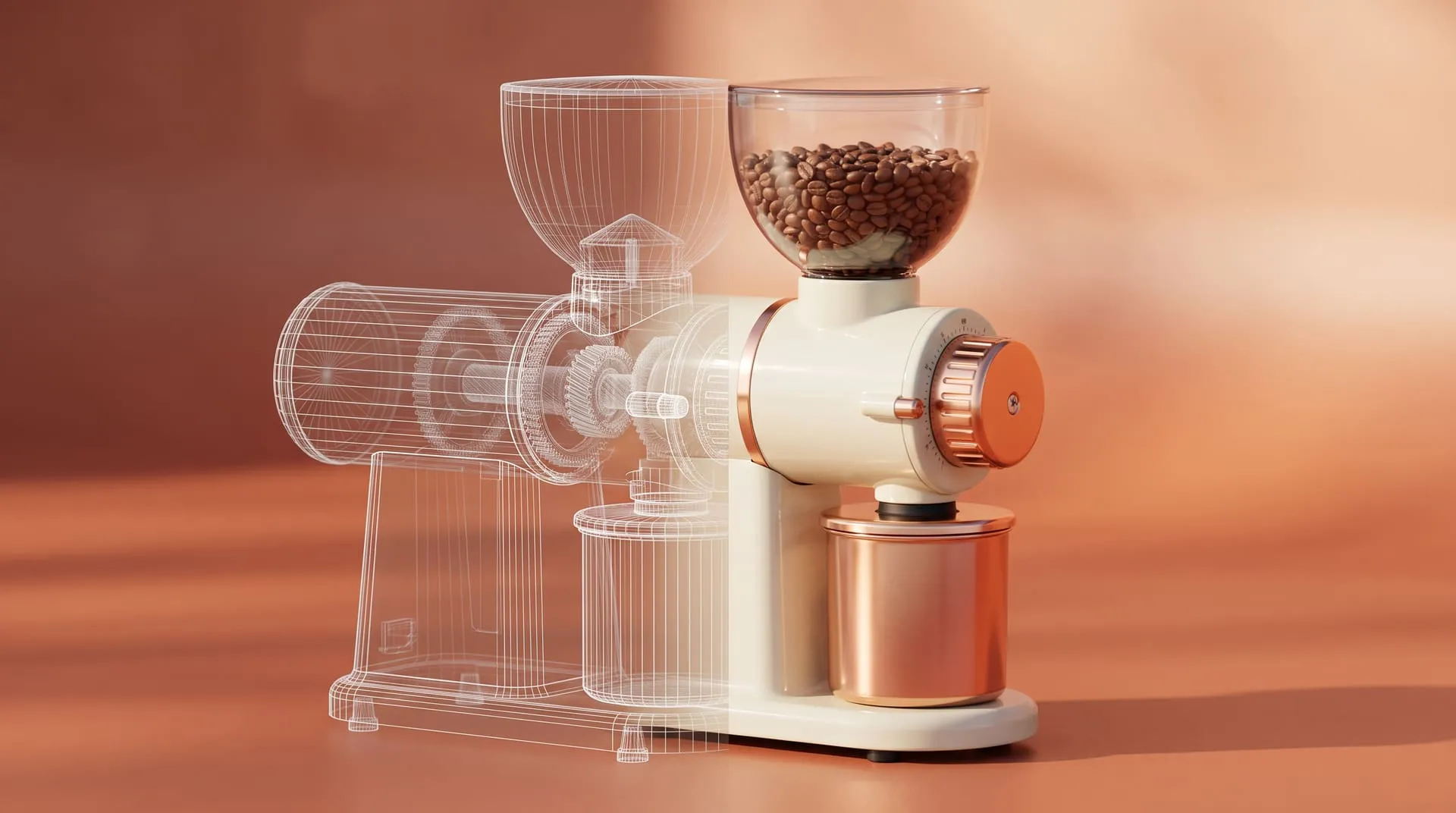
| Can it show what is inside? | Only by taking a unit apart | Yes, cutaways, x-ray and exploded views |
| People, hands, emotion | Strongest | Possible, but usually stylized or left out |
| Food, fabric, skin, liquids in real use | Strongest | Possible, but harder to make convincing |
| Design changes after production | Reshoot | Update the model, re-render the affected shots |
| 10 or 20 color variants | A sample of each, plus shoot time | A material change per variant |
| 16:9, 9:16 and 1:1 versions | Plan framing on set, or reshoot | Reframe the camera in the scene and render again |
| Main cost drivers | Crew days, talent, location, permits, samples | 3D model, length, background, extra formats |
| Kickstarter campaign page (hardware) | Allowed, and real prototypes are required | Photorealistic renders not allowed |
That last row matters if you crowdfund. More on it below.
When does live action win?
Live action wins when the product is finished, looks good in real light, and the point of the video is how it fits into someone’s life. A real hand picking up a real product carries a kind of credibility a render does not.
Pick live action when:
- The product is on the shelf or about to be. You have production units, not one hand-built prototype with visible seams.
- The story is about people. A parent with a stroller, a runner at 6 a.m., a chef in a busy kitchen. The product is a supporting character.
- The material is the hard part for 3D. Food, drinks being poured, fabric moving on a body, hair and skin. 3D can do these, but it takes more time and money to make them believable than to film them.
- You need a lot of footage for social. One shoot day can produce many short clips if it is planned well.
Live action has its own costs that buyers forget. Crew and equipment are booked by the day, talent fees for ads can depend on where and how long the footage runs, and shooting on public property usually means paperwork. In New York, for example, the city film office requires a film permit for many kinds of shoots on city property and proof of liability insurance to get one. None of that is a reason not to shoot. It is a reason to budget for it.
When does 3D animation win?
3D animation wins when the product is not finished, when the reason to buy is inside it, or when one product comes in many versions. It starts from your CAD data, so it can show the product before the first unit leaves the factory.
Pick 3D animation when:
- You launch before production. Preorders, trade shows and investor decks often need video months before samples exist. A 3D product animation only needs the engineering file.
- The mechanism is the selling point. Filters, motors, hinges, airflow, battery layout. A camera cannot fly through a sealed housing. A 3D camera can.
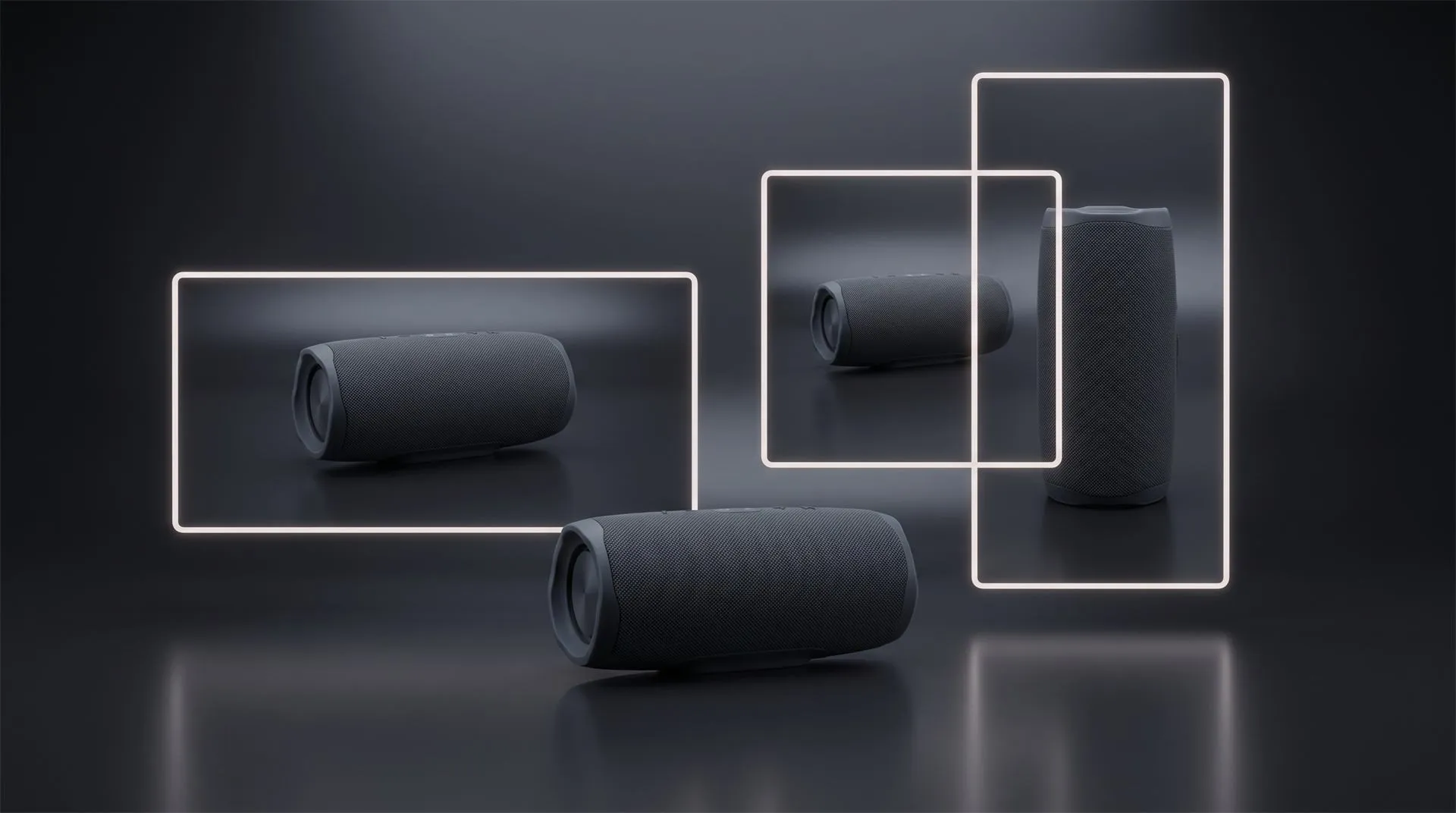
- You have variants. One master model plus a material library covers every color and finish. Twenty colorways do not mean twenty samples.
- The design will change. If the housing changes after launch, the 3D shots can be updated and rendered again instead of reshot.
- You need many formats. Vertical and square versions still need reframing, shot by shot, but no second shoot.
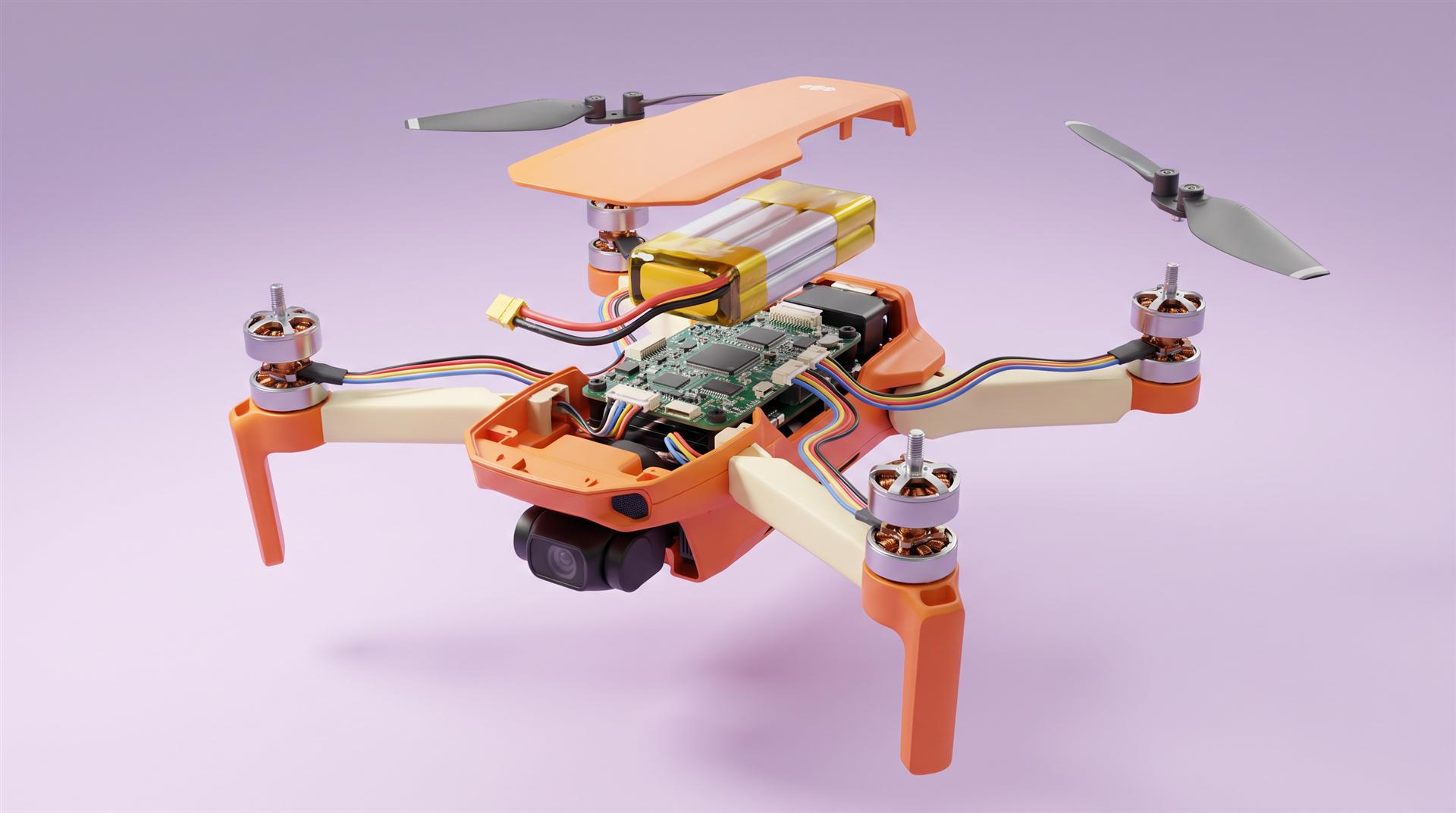
Here is what “show what is inside” looks like in practice, a short cutaway from our film for the Canchill can cooler:
Apple is the large-budget version of the same logic. Its iPhone 18 Pro film spends most of its time inside the phone, with the camera module pulled out of its housing and full exploded views. We went through it shot by shot in why Apple still launches hardware with 3D animation.
Can you mix live action and 3D animation?
Yes. A hybrid cuts filmed people and places together with 3D product shots, and it is common in launch films and ads. You get the warmth of real use and the precision of CAD-based shots in one video.
There are two common ways to do it:
- Intercut. Filmed scenes of people using the product alternate with full 3D shots: the exploded view, the hero rotation, the colorway lineup. This is the simpler and cheaper version.
- Integrate. A 3D product is placed into filmed footage, matched to the real camera and lighting. This is useful when the product cannot be filmed yet, but it needs careful planning on set (camera data, lighting reference, clean plates), so the 3D team should be involved before the shoot, not after it.
Expect a hybrid to cost more than either route on its own, because you pay for a shoot and for 3D. It is worth it when the product has to look exact and lived in at the same time.
Our King Komb ad is a simple intercut: 3D product shots on white pedestals cut with filmed scenes of a dog outdoors and a car interior, the places the product gets used.
How do cost and timeline compare?
For a short product video, 3D animation from your CAD file is often the cheaper route, while live action gets cheaper per second when you need lots of footage of real use. The two are priced on different things, so compare quotes line by line.
What 3D costs with us. Our pricing page has the calculator. A 10 to 30 second video with your usable CAD file and a plain background is $1,200 ($200 model prep, $500 length, $500 background). Without CAD, modeling adds $400 to $2,000 depending on complexity. A 3D environment instead of a plain background is $2,000, and each extra format (9:16 or 1:1) is $250. The full breakdown, including per-minute market ranges, is in what 3D animation costs per minute.
What live action costs. We do not shoot live action, so we will not quote it. Ask a production company for a line-by-line quote and check that it covers pre-production, crew days, equipment, talent and usage, location and permits, insurance, product samples, editing, color and music. The number moves most with the number of shoot days and whether you use paid actors.
Timeline. With a usable CAD file, a roughly 30 second animation takes us about 10 to 15 days. Live action timing depends on casting, location, weather and when camera-ready samples arrive. The shoot day itself is short. Getting to it is what takes time.
| Live action | 3D animation | |
|---|---|---|
| What you pay for | Days: prep, shoot, edit | Assets: model, length, background, formats |
| Biggest hidden cost | Reshoots, talent usage, extra samples | Modeling without CAD, detailed environments |
| What waits on what | Samples, casting, location, weather | CAD file, feedback rounds |
| Reusing the work later | New edits from existing footage | New shots, stills and formats from the same model |
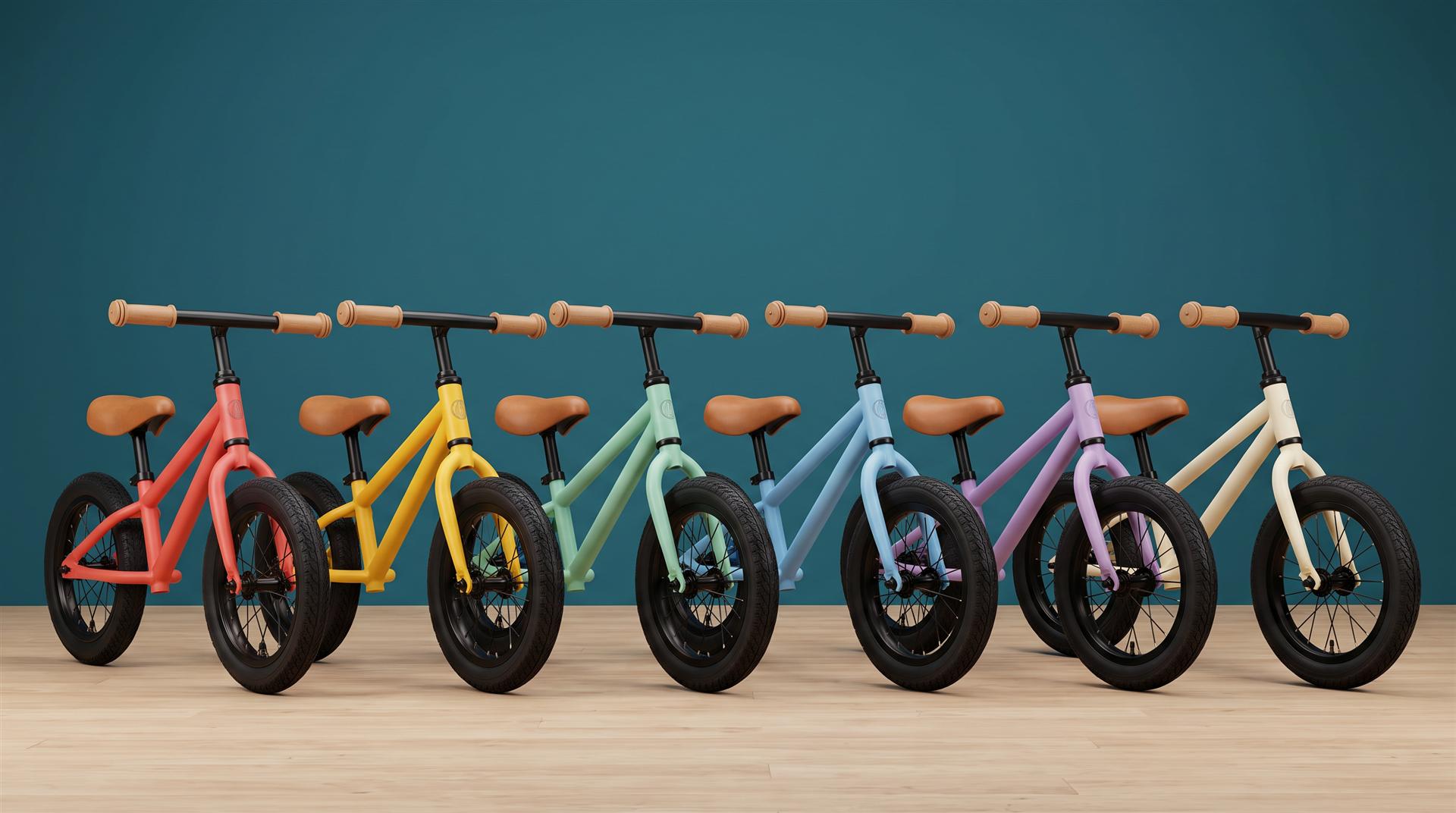
Variants are where the cost difference gets large. In 3D, one model in a studio set can cycle through every colorway:
What about crowdfunding?
If you launch hardware on Kickstarter, plan for both: a real prototype on the campaign page, and 3D where it is allowed. Kickstarter’s rules for hardware and product design projects require creators to show working prototypes and do not allow photorealistic renderings.
So the split usually looks like this. Pre-launch ads to build your email list can use 3D. The campaign page itself needs filmed prototypes and techniques that follow the rules. After funding, 3D is fine again for your store, retail partners and launch ads. We cover the details in Kickstarter rules for 3D animation.
Whichever route you take, the claims in the video still have to be true. The FTC’s advertising guide for small business says advertisers must have evidence to back up their claims. A rendered airflow animation is a claim, the same as a filmed demo.
Where does stop motion fit?
Stop motion is a live action technique: the real product is moved a little between photos, then played back as video. It works well for small, playful products, packaging and social clips where a handmade feel is the point.
It needs physical products, careful lighting and a lot of patience per second of footage. It cannot show inside a sealed product, and changes usually mean shooting again. If your brand is playful and the product is already made, it is worth a look. If the product is still in CAD, it is not an option yet.
How do you decide? A five-question checklist
Answer these in order. Most products are decided by question two or three.
- Do you have camera-ready products, or only CAD? Only CAD means 3D, at least for now.
- Is the reason to buy visible from the outside, or hidden inside? Hidden means 3D for those shots.
- Is the story about people or about the product? People means live action, or a hybrid.
- How many variants and formats do you need? Many colors or many aspect ratios favor 3D.
- Will the design change after the video is made? If yes, 3D shots are cheaper to update.
If your answers split, that is a hybrid. If your in-house designer already makes strong KeyShot stills and you only need a simple turntable, you may not need either route. KeyShot Studio plans include camera and model animation at the time of writing, and that can be enough for a product page loop.
What to have ready before you ask for quotes
- CAD files (STEP, SolidWorks, Fusion or similar) and any KeyShot scenes
- A list of colors, finishes and variants
- Where the video will run: website, Amazon, paid social, trade show, crowdfunding
- Every format you need (16:9, 9:16, 1:1) and target lengths
- The launch date and when samples will be available
- Two or three reference videos you like, and one you do not
- For live action: who appears on camera, and where it could be shot
One contract point for either route. Owning the final video does not mean you own the raw footage, the 3D scene or the model files. If you want them for later work, agree on it in writing before the project starts.
Common mistakes
- Choosing 3D for a story about people. If the emotion is the point, film it.
- Choosing live action for a product that is not finished. Prototype seams and hand-painted parts show up on camera.
- Assuming vertical versions are free. A 9:16 version is reframed, not cropped, in both routes. Plan it from the start.
- Planning a hybrid after the shoot. If 3D shots will be placed into filmed footage, the 3D team needs camera and lighting data from the set.
- Comparing a day rate to a fixed price. A live action quote by the day and a 3D quote by the asset only compare once you count the full scope.
- Forgetting about the files. Not asking for raw footage or the 3D scene up front means paying again for the next edit.
FAQ
Is 3D animation cheaper than live action for a product video?
Often, for short videos. With us, a 10 to 30 second animation from your CAD file on a plain background is $1,200. Live action can be cheaper when you need lots of footage of real people using a finished product.
Can you mix live action and 3D animation?
Yes. Intercutting filmed scenes with 3D product shots is common and fairly simple. Placing a 3D product into filmed footage also works, but the 3D team needs to plan it with the film crew before the shoot.
Which is faster to produce?
With a usable CAD file, a 30 second animation takes us about 10 to 15 days. Live action depends mostly on when samples, talent and locations are ready.
Do I need a finished product to make a product video?
Not for 3D animation. A usable CAD file is enough. Live action needs camera-ready units.
Is stop motion a good option for product videos?
For small, playful, finished products, yes. It cannot show internals, and it needs the physical product, so it is not an option before production.
Not sure which route fits?
Send us your CAD file and tell us where the video will run. We will tell you which route fits, including when the honest answer is a film crew and not us. Talk to us about your product video.