
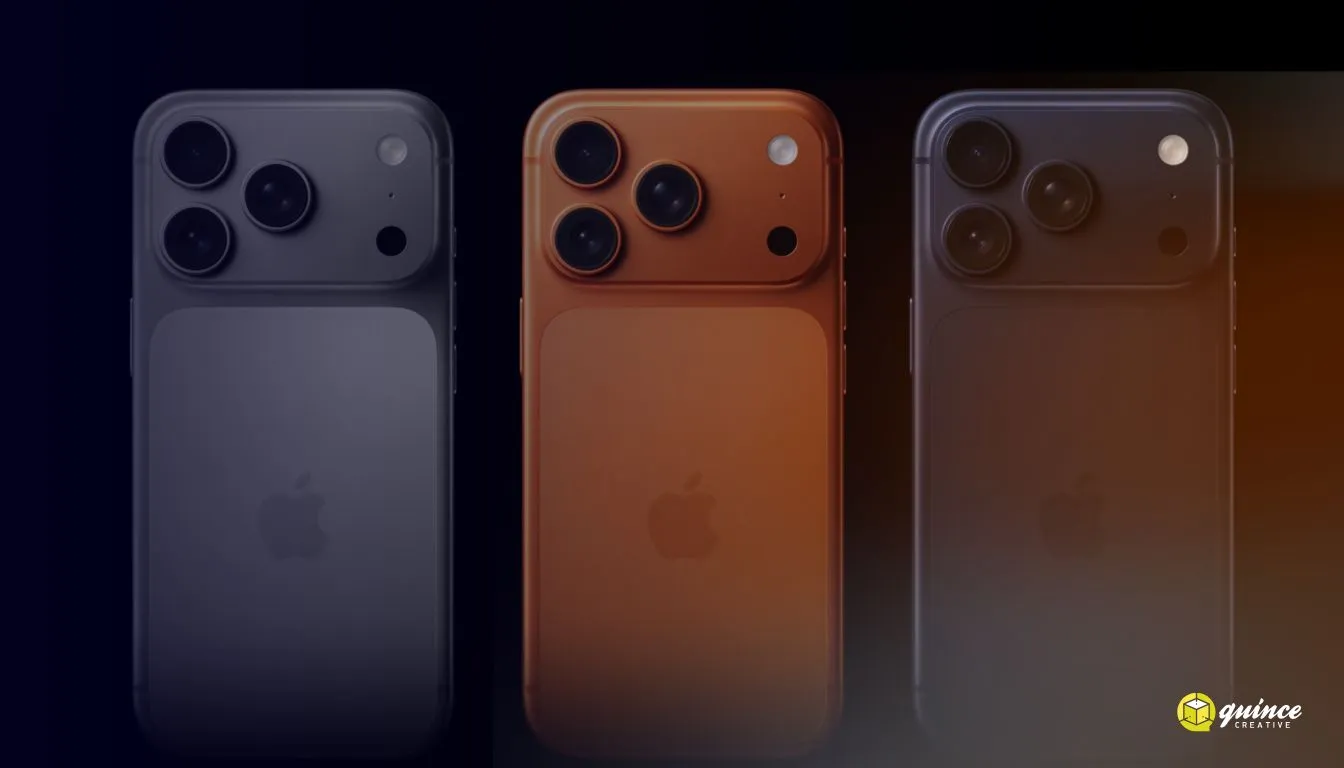
The Apple Formula: Why Every Tech Startup Wants Their 3D Animation to Look Like Apple (And How It’s Actually Done)
What Apple actually pays for, what that money buys, and what “very good” looks like on a small studio budget.
Every studio that does 3D product work has sat through some version of this meeting. A client shares their screen, pulls up an Apple product page, and says: “This. Can we get something like this for us?”
It’s such a common brief that we stopped being surprised by it years ago. But hidden inside that one sentence are three questions almost nobody actually asks out loud: How does Apple pull this off? What does it cost them to get there? And what can a small studio realistically get for a fraction of that price, without it looking like a fraction of that price?
This is a straight breakdown of how Apple-level 3D work gets made, what that level of polish costs in this industry, and where the real gap sits between “Apple-level” and “genuinely very good.” That gap is smaller than the price tag suggests, and it’s worth understanding exactly why.
The Apple Look, Deconstructed
A few years ago, a professional photographer compared his own iPhone X photoshoot with Apple’s official images and suspected Apple’s photos were actually 3D renders. The lighting and reflections were simply too perfect. That tells you everything you need to know: Apple’s photography is engineered to look synthetically perfect, while their CGI is engineered to look photographically real. Achieving this convergence isn’t a secret trick, but a handful of specific, learnable habits.
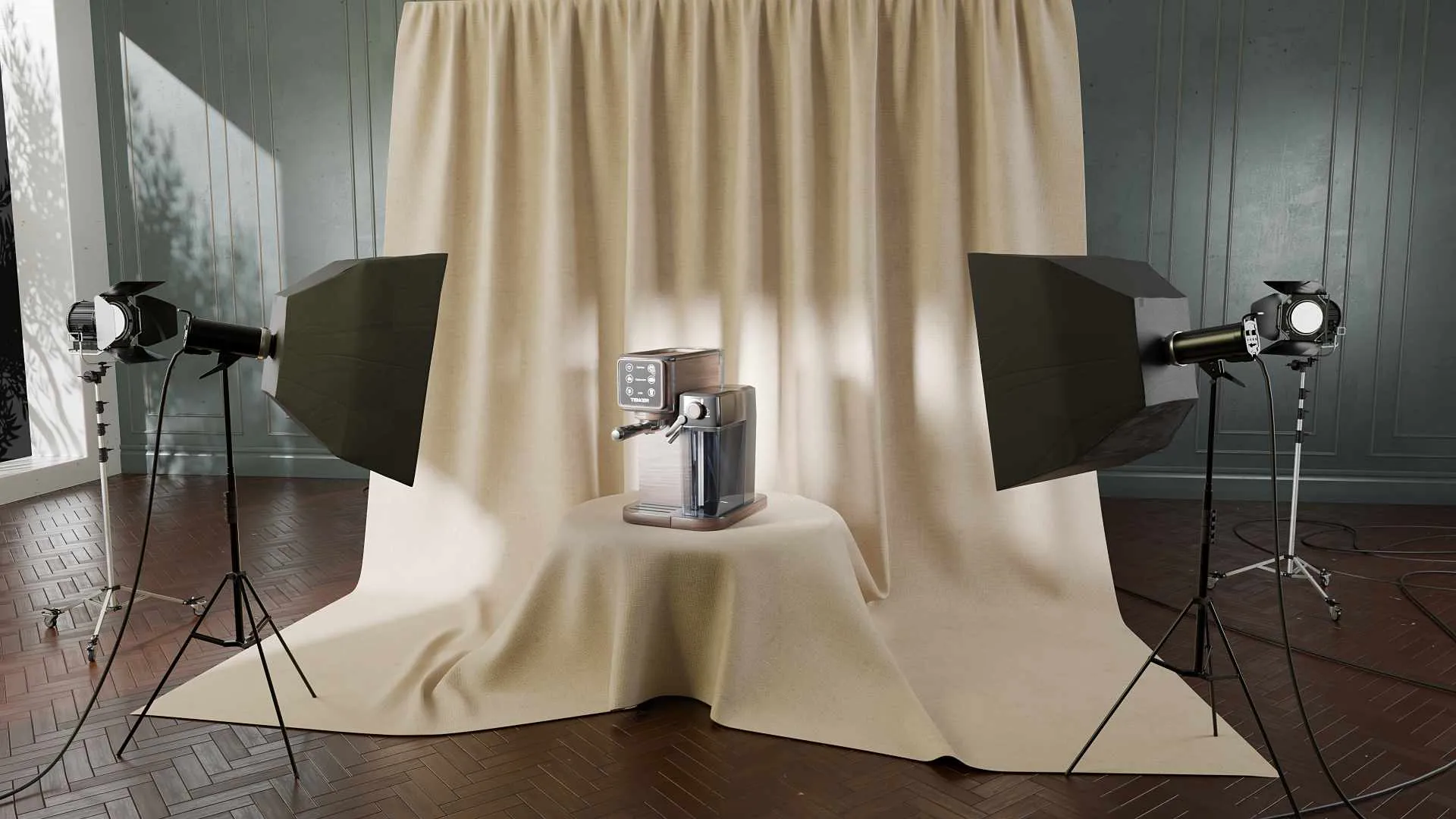
Every material gets its own lighting setup. Apple’s product photography team has described lighting products section by section rather than all at once: one pass to describe how the aluminum should read, another for the glass, another for a matte finish, because each material needs to be “sold” to the eye differently. That’s why a single Apple product shot can involve far more individual light sources than a typical product photo.
Radical minimalism. The “perfect white” backdrop isn’t a lack of effort, it’s the opposite. With nothing else in frame, every pixel of the product has to be flawless, because there’s nowhere else for the eye to go. Removing everything non-essential is usually harder than adding detail.
It’s not even all CGI. When Apple released a rare behind-the-scenes look at its MacBook Neo launch film earlier this year, it showed stop-motion animation, handmade physical props, and practical lighting and camera work, all blended with CGI in post. Even with an effectively unlimited budget, Apple still builds real, physical things for some shots, because certain material behaviors are still faster and more convincing to capture practically than to fully simulate. “Apple quality” isn’t code for “100% synthetic, it’s a hybrid craft.
Time, multiplied by specialists. A single hero shot or launch film runs through modelers, material artists, lighting artists, animators, compositors, colorists, and sound designers, often over weeks or months, with rounds of revision most productions never get near. The expensive part was never the render button. It’s the number of qualified people re-checking a huge number of small decisions.
What That Actually Costs
Apple doesn’t publish a line-item cost for a single product video (Apple doesn’t publish much of anything), but the scale is public enough to triangulate. Apple’s total marketing and advertising budget has been reported in the billions of dollars annually for years now; it was already reported at roughly $1.8 billion back in 2015, and that figure has only grown since. That number covers TV buys, billboards, events, and agency fees, not just CGI, so it’s not a clean stand-in for “what does one video cost”, but it tells you what universe this is coming from.
The more useful figure, for a client actually trying to budget, is the industry rate for this specific kind of work. Across high-end 3D production, “premium” or “cinematic” tier animation, the fully art-directed, photoreal kind Apple runs, is commonly quoted at $20,000 to $50,000 or more per finished minute. At the very top of the market, quotes for full VFX-driven, blockbuster-style campaigns have run as high as $30,000 per second, which works out to roughly $1.8 million a minute.
That’s the world “make it look like Apple” is actually quoting you into, whether the person asking realizes it or not.
The Part Nobody Tells Clients
Here’s the thing almost nobody says out loud: most of what makes Apple’s production expensive has nothing to do with what makes it convincing.
That price tag is mostly an operations cost. It’s paying for a global campaign running across TV, billboards, retail displays, and a dozen aspect ratios in a dozen languages, produced by a large team over months, with close to unlimited revision rounds, plus the premium of hiring one of the handful of studios in the world with that specific pedigree.
What actually convinces a viewer’s eye is a much shorter list: does the metal read as metal, does the glass bend light the way glass should, do the product’s edges catch highlights the way a real, machined object would, and is the space around it clean enough that nothing competes for attention. None of that requires a nine-figure marketing budget, it requires knowing exactly which details a viewer’s eye is actually checking, and being disciplined enough to get only those right.
It’s also worth saying plainly: this isn’t just an aesthetic exercise. Brands that move from static product photos to 3D animation and photoreal renders consistently report stronger click-through and conversion on their listings and product pages. The visual trust signal does real, measurable work — which is exactly why it’s worth getting right even on a fraction of Apple’s budget.
How We Actually Get There
We’ve been doing exactly this, full-time, for hardware and tech brands, for 14 years now. Our approach is basically the last section, operationalized: run the same craft logic Apple runs, at a scale that fits a smaller budget instead of a trillion-dollar company’s marketing machine. Smaller studio. Not smaller standards.
In practice, that looks like:
- We start from your real CAD files when they exist. STEP formats are ideal, they preserve the exact curved surfaces we need. Without one, we build your product from scratch using reference photography: dozens of angle shots plus close-up texture shots of the actual material finish, until we have a digital twin that’s dimensionally accurate to the real object.
- We fix what engineering files get wrong for visualization. The part almost nobody outside this industry knows about. CAD software exports mathematically perfect, infinitely sharp edges. Nothing in the physical world has a perfectly sharp edge, and a perfectly sharp edge doesn’t catch light the way a real, machined, chamfered one does. We add microscopic bevels to every edge specifically so it picks up studio highlights correctly. It sounds tiny. It’s one of the single biggest differences between a render that reads as “CG” and one that reads as real.
- We build every material from real-world references. The same brushed-metal-versus-glass-versus-fabric logic behind Apple’s own product photography, so each surface responds to light the way the physical material actually does.
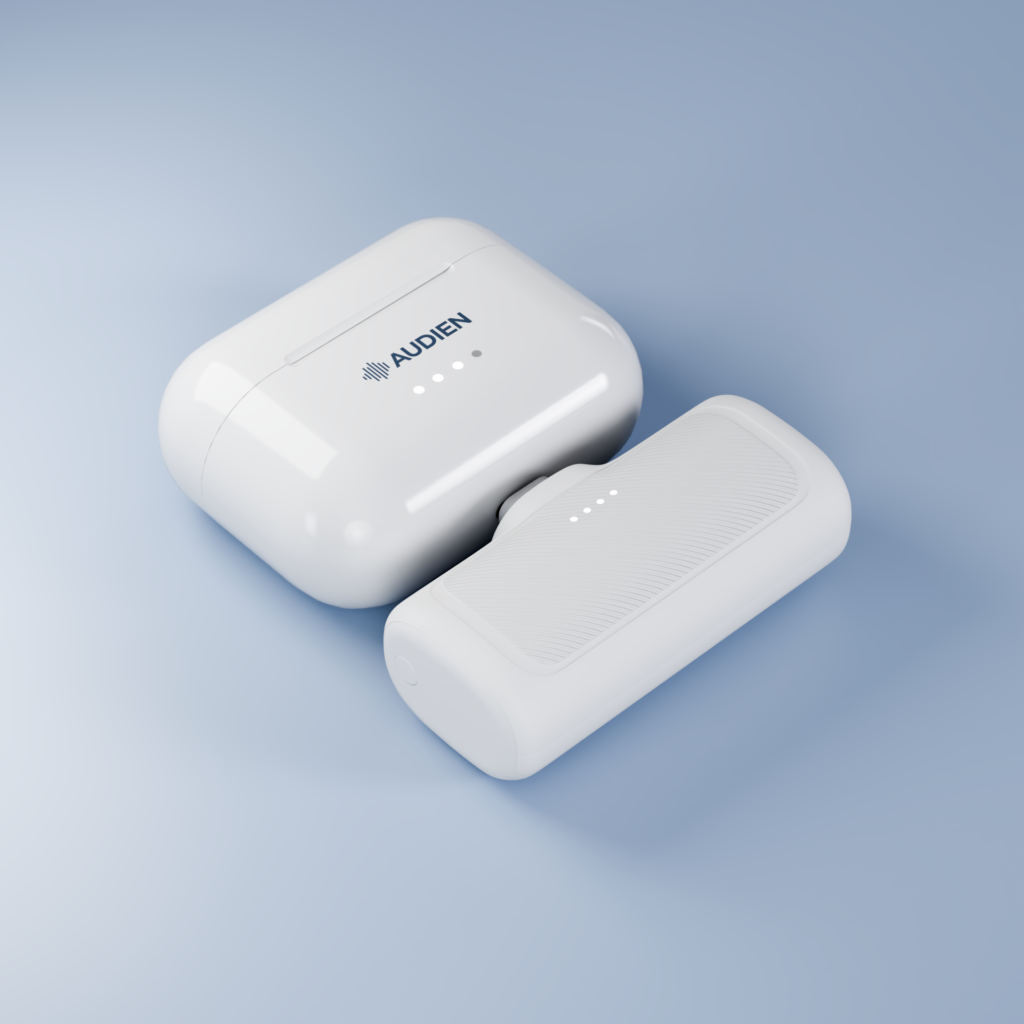
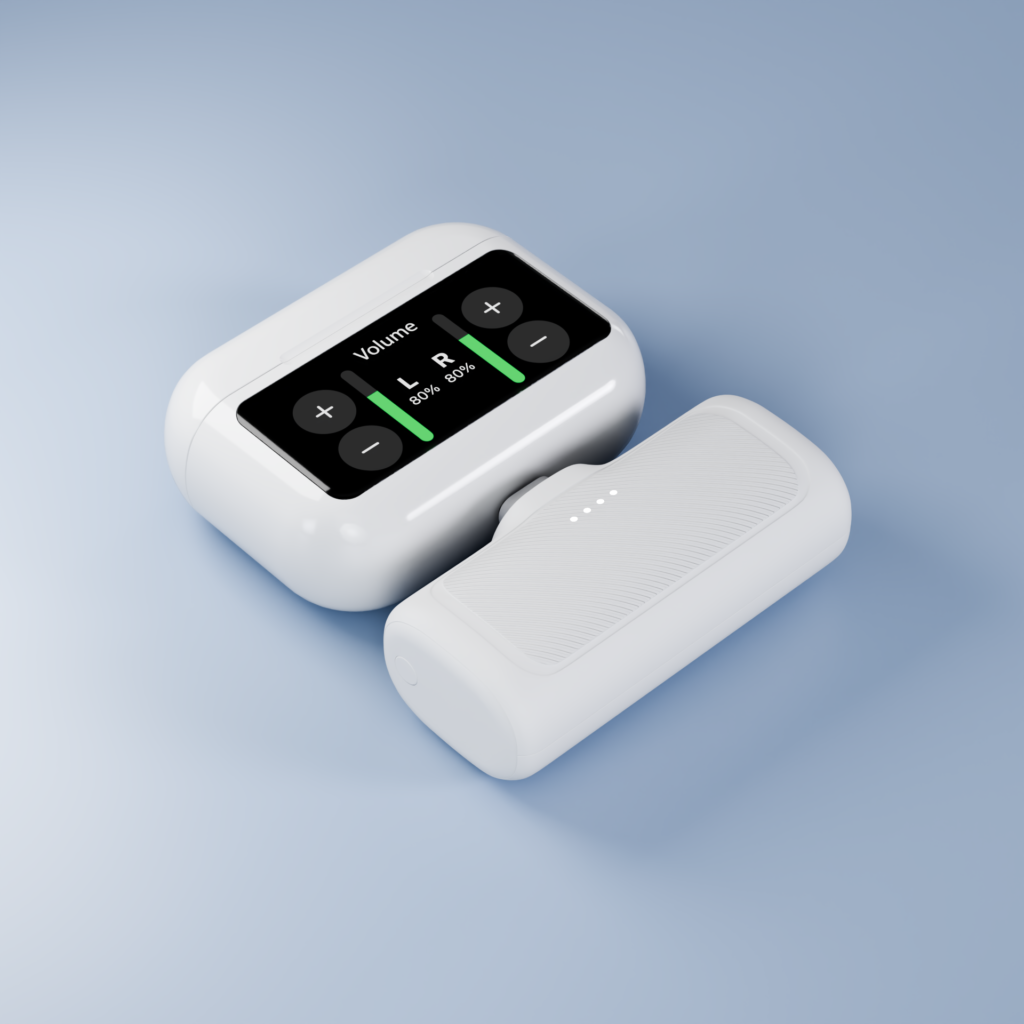
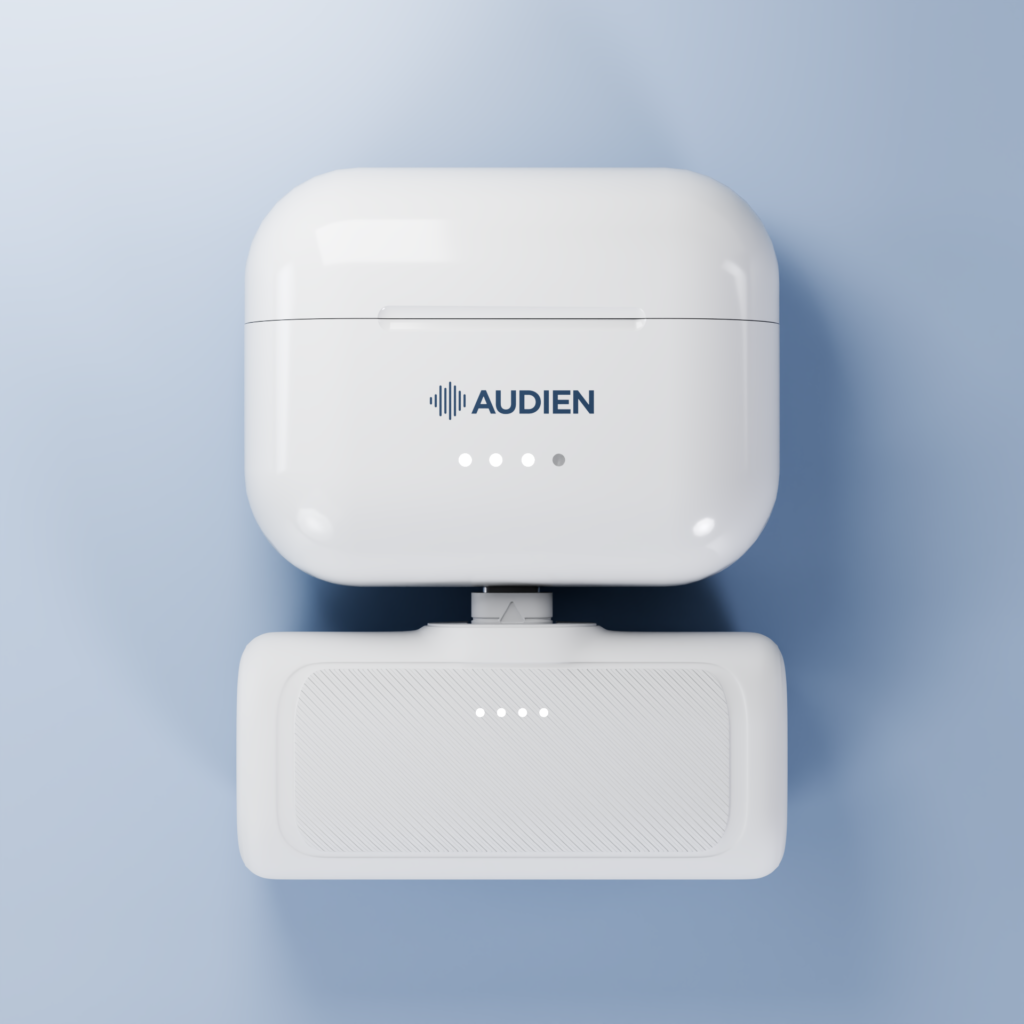
- We lock the look before we animate anything. You approve a fully lit, fully textured still frame before a single frame of motion gets built. No expensive surprises three weeks out from your launch date.
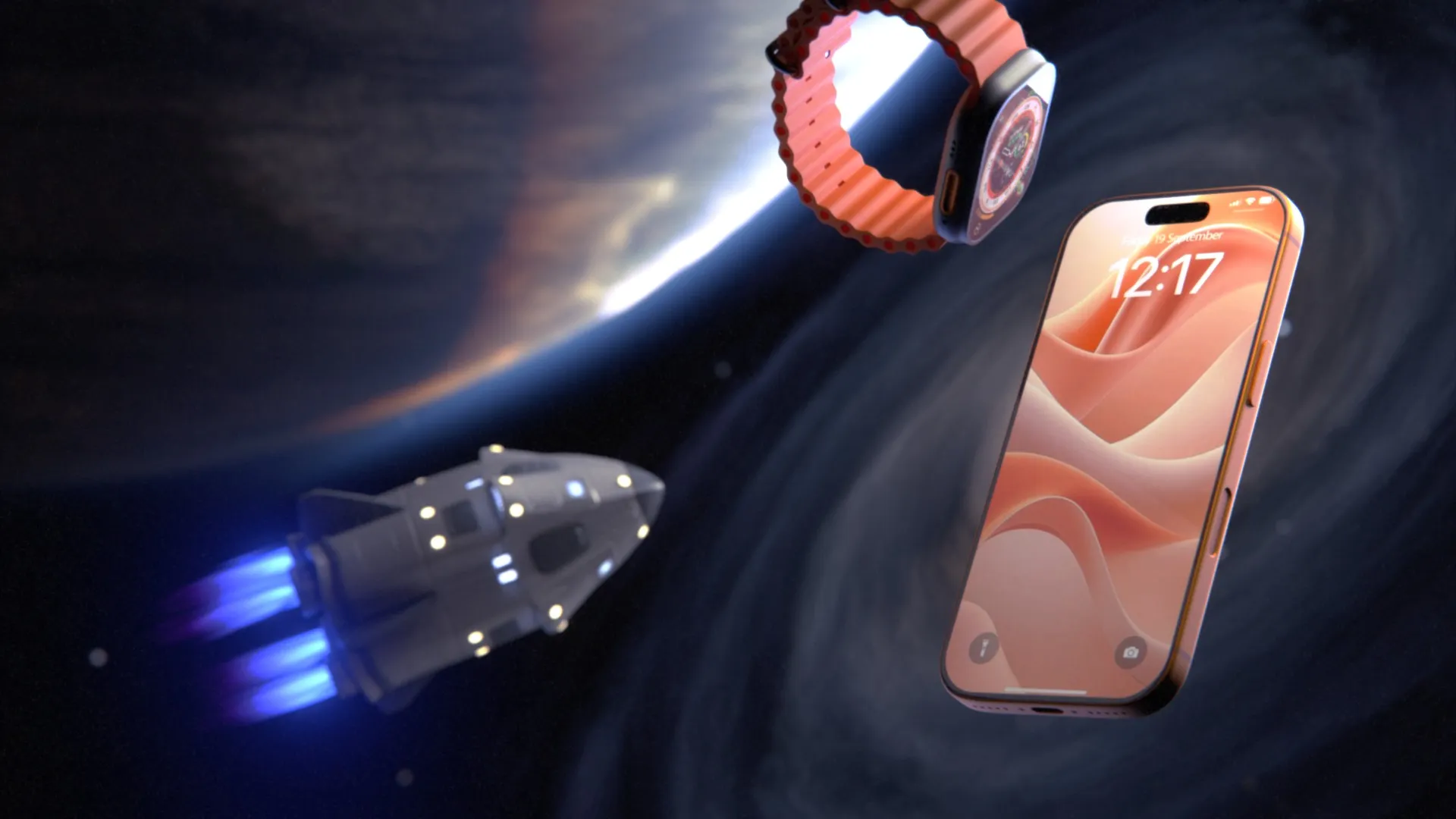
We’ve run this process for brands you’d recognize, including Philips, Mackie, Audien, and ADI Global’s Araknis line, and somewhere in our own portfolio, there’s even a fully rendered Apple Watch. We’ve quite literally practiced on the source material.
What “Very Good” Costs, In Real Numbers
Here’s the number that actually matters to you: what does that process cost when it isn’t running at Apple’s scale?
| What you need | What it’s for | Typical starting range |
|---|---|---|
| Still 3D renders | Amazon/Shopify listings, website hero images | $50–$500 per image, depending on material detail |
| Multi-angle or 360° render sets | Full photography replacement, every angle covered | $500–$1,200 per set |
| Short hero animation (10–30s) | Website loops, social teasers, simple staging | Starting around $1,200 |
| Full launch film (60s+) | Custom environments, exploded views, multi-format delivery | Roughly $3,000–$12,000+, depending on length and complexity |
Those are real starting ranges, pulled straight from our own project calculator, run your own product through it and see the breakdown live, or reach out for an exact quote. Either way, even our most elaborate launch films land nowhere near the $20,000–$50,000-per-minute range the premium end of this industry runs on, let alone the per-second rates at the very top of it.
The Honest Pitch
We’re not selling you a discount Apple video, and we won’t pretend a five-figure production and a five-hundred-thousand-dollar one are indistinguishable up close. They aren’t. Apple’s version comes with a global campaign machine behind it that you, as a startup, don’t need yet.
What we will do is run the same underlying craft, accurate materials, deliberate light, a clean stage, a process built to catch problems before they get expensive, lean enough to fit a startup’s budget instead of a Fortune 5 company’s. That’s the actual formula. It was never about the size of the check. It’s about the size of the attention.
Want to see what that looks like on your product? Run it through our pricing calculator or get in touch!
Related Articles
How Much Does 3D Product Rendering Cost in 2026? Per-Image Prices, What Drives Them and How to Pay Less
How to Choose a 3D Product Animation Studio: A Buyer’s Checklist
It Is 2026, Apple Puts AI in Every Device, and It Still Launched Its New Hardware With 3D Animation
Why We Deliberately Make Renders That Don’t Look Like Renders
3D Product Animation Trends in 2026: What Brands Are Doing Now
Your Catalog Keeps Growing and Every New Product Means Another Photoshoot. Build the Asset Library Instead
 Rachel A